Drunken Noodles Recipe with Simple Pantry Ingredients
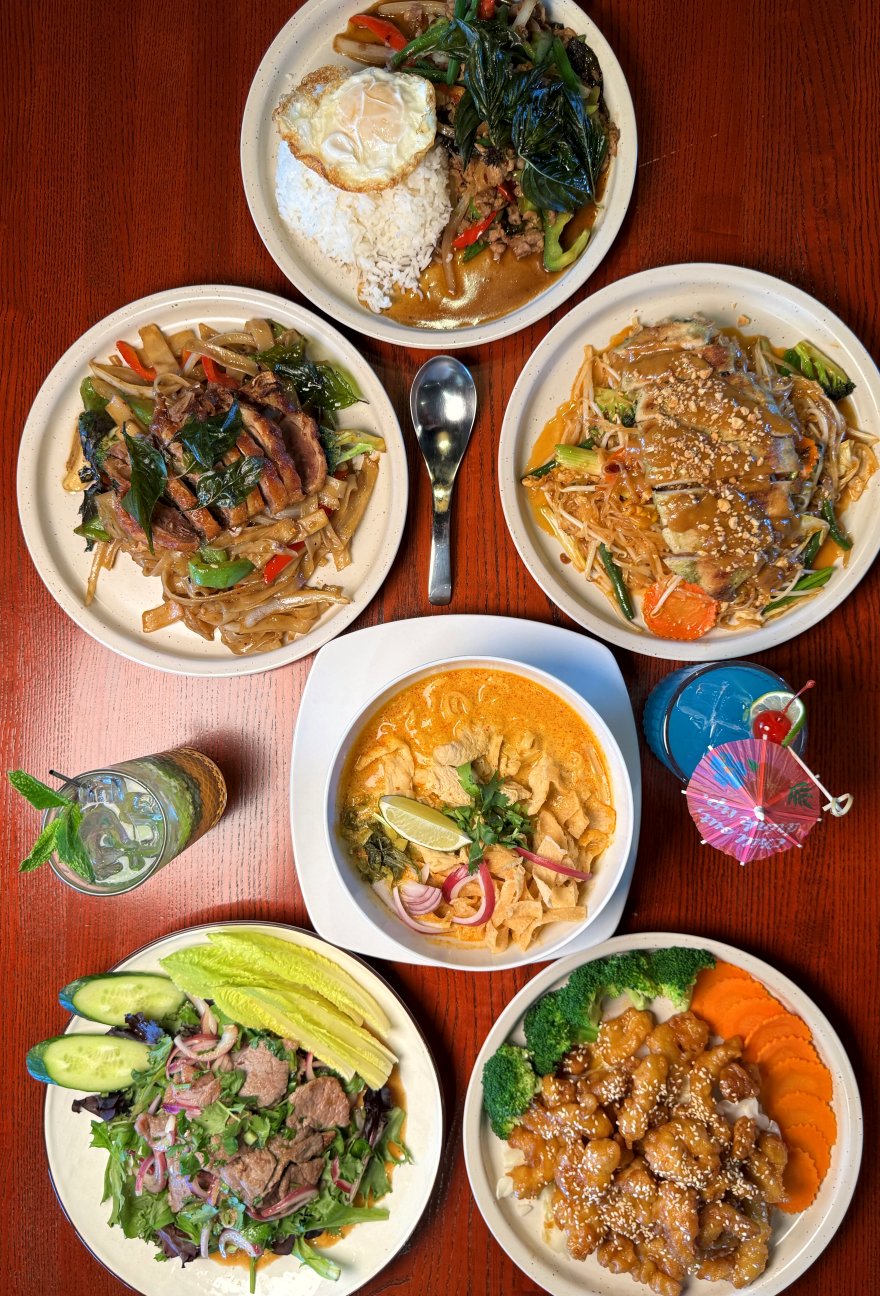

Drunken Noodles are one of those dishes that feel bigger than the sum of their parts. A handful of noodles, a quick sauce, a blast of heat in a skillet, and suddenly dinner tastes like it came from a good Thai restaurant. The appeal is not only the flavor, though that matters plenty. It is the speed, the flexibility, and the way a few basic bottles from the pantry can build something savory, spicy, glossy, and deeply satisfying.
If you have ever wanted a version of Drunken Noodles that does not depend on a special shopping trip, this is the one to keep. It leans on simple pantry ingredients and ordinary produce, while still respecting what makes the dish memorable: broad slippery noodles, garlic and chile, a slightly sweet soy-based sauce, and fresh basil folded in at the end so the whole pan smells alive. You can make it with chicken, shrimp, tofu, or no added protein at all. You can turn the heat up until your forehead beads with sweat, or keep it gentle enough for a weeknight family meal.
The first time I started making Drunken Noodles regularly at home, it was because I got tired of takeout versions that were either too sweet, too oily, or padded out with more vegetables than noodles. Restaurant cooking has its own logic, and there are excellent versions out there, but cooking it yourself lets you balance the sauce exactly the way you like it. That matters with a dish this direct. There is nowhere for a muddy sauce or overcooked noodles to hide.
What makes Drunken Noodles distinct
Despite the playful name, Drunken Noodles are not typically made with alcohol. The dish is known for bold flavor, noticeable heat, and a loose, stir-fried character that feels especially welcome late at night or when you want something assertive. Different cooks and different restaurants interpret it in slightly different ways, but the core remains consistent. Wide rice noodles carry the sauce, basil adds an unmistakable herbal lift, and the whole dish should taste lively rather than heavy.
A lot of home recipes drift too far toward pad see ew, which is usually sweeter and more centered on soy and char, or they become a generic spicy noodle stir-fry. The difference often comes down to balance. Drunken Noodles need salt, sweetness, spice, and aromatics in proportion, with enough moisture to coat the noodles but not so much that they stew. The basil is not decoration. It changes the dish. If you skip it, you can still make a good spicy noodle dinner, but it will not quite hit the note people expect.
Traditional Thai holy basil can be hard to find, so most home cooks use Thai basil or even Italian basil in a pinch. Thai basil is ideal if you can get it because it holds up well to heat and has a peppery, anise-leaning edge. Italian basil works better than some people admit, especially in a pantry-friendly version, but it tastes softer and rounder. That is not wrong, just different.
The pantry-friendly approach
A true pantry meal means more than using shelf-stable items. It means making smart substitutions without flattening the dish. That starts with understanding what each ingredient does.
Soy sauce gives salinity and color. Oyster sauce brings depth and a gentle sweetness. Fish sauce adds the funky backbone that makes the sauce taste complete rather than merely salty. Brown sugar smooths rough edges and helps the sauce cling. Garlic and chiles supply punch. Basil supplies freshness. Rice noodles provide the right texture, but if you keep dried wide rice noodles in the cupboard, you are already most of the way there.
Fresh vegetables can be flexible. Onion is enough if that is what you have. Bell pepper adds sweetness and color. Broccoli stems, thinly sliced, work surprisingly well. Even a handful of spinach wilted in at the end can save the day. What matters more than the exact vegetable lineup is that you do not overload the pan. Drunken Noodles should feel noodle-forward, not like stir-fried vegetables with incidental starch.
Protein follows the same logic. Thinly sliced chicken cooks quickly and stays familiar. Shrimp is fast and pairs beautifully with the sauce. Tofu absorbs flavor well if you brown it first. Leftover roast pork can be sliced and tossed in near the end. If all you have is one egg, scramble it lightly before adding the noodles and let that stand in. This is a forgiving dish as long as you respect the heat and timing.
The ingredients that matter most
Here is a streamlined ingredient list that keeps the recipe accessible while producing a result that still tastes intentional.
- 8 ounces wide rice noodles, dried or fresh
- 2 tablespoons soy sauce, 1 tablespoon oyster sauce, 1 to 2 teaspoons fish sauce, and 2 teaspoons brown sugar
- 2 tablespoons neutral oil, 4 cloves garlic, and 1 to 3 chiles or 1 teaspoon red pepper flakes
- 8 to 10 ounces chicken, shrimp, tofu, or another quick-cooking protein
- 1 small onion, 1 bell pepper if you have it, and 1 packed cup basil leaves
If your pantry is especially spare, the truly essential pieces are noodles, soy sauce, garlic, chile, oil, and basil. Oyster sauce and fish sauce make the dish taste fuller and more restaurant-like, but you can still cook a respectable version without one of them. If fish sauce is missing, add a little extra soy sauce and accept that the final flavor will be cleaner and less complex. If oyster sauce is missing, a touch more sugar and soy helps, though you lose some body.
Sauce first, then speed
The easiest way to ruin Drunken Noodles is to start cooking before you are organized. Stir-frying rewards preparation and punishes hesitation. Once the aromatics hit hot oil, you need to move with confidence.
Mix the sauce before you turn on the stove. In a small bowl, combine the soy sauce, oyster sauce, fish sauce, and brown sugar with 2 to 3 tablespoons of water. That little bit of water matters more than people think. It helps dissolve the sugar, loosens the mixture so it disperses quickly, and gives you a little insurance against dry, clumping noodles. If you like the dish spicy but not scorching, use fewer fresh chiles and let black or white pepper do some of the supporting work. Heat should be present, not punishing unless that is your explicit goal.
Then prep everything else. Slice onion into wedges or strips. Slice peppers thin so they cook fast. Keep the basil leaves whole if they are small, or tear the larger ones once or twice. Cut chicken thin across the grain. Pat shrimp dry. If using tofu, press it enough to remove excess moisture and cut it into bite-size slabs that can brown.
A note on noodles, because texture decides the meal
Rice noodles are easy to overcook, and overcooked rice noodles do not recover. They go from pleasantly chewy to limp in a very short window. The exact timing depends on the brand and whether you use fresh or dried noodles.
Dried wide rice noodles should usually be soaked or briefly boiled until they are just shy of tender. They should bend easily but still have a little resistance in the center. If the package says boil for several minutes, trust the texture more than the clock. Drain them and rinse lightly if needed to stop the cooking, then toss with a small splash of oil only if they seem likely to stick in a solid mass. Too much oil on the noodles can make the sauce slide off later.
Fresh rice noodles are more fragile. Separate them gently with your hands before they go into the pan. If they are cold and stiff from the refrigerator, a short microwave burst or a quick rest at room temperature helps loosen them. Do not manhandle them. Broken noodles still taste fine, but part of the pleasure of Drunken Noodles is the long, broad ribbons that catch sauce and basil.
How to cook it without steaming the pan
Home stoves are almost always weaker than commercial burners, so the goal is not theatrical flames. The goal is concentration. A wide skillet or wok, high heat, and modest volume give you a better result than trying to cook enough for six people in one overloaded pan.
The process is straightforward:
- Cook the noodles until just tender enough to finish in the pan, then drain and set aside.
- Stir together the sauce, heat oil in a wide skillet, and cook the garlic and chiles just until fragrant.
- Add the protein and cook until nearly done, then add onion and any other quick-cooking vegetables.
- Toss in the noodles, pour over the sauce, and stir-fry until the liquid coats everything and the noodles soften fully.
- Add basil at the end, toss until wilted, then taste and adjust with a little more soy, fish sauce, or a spoonful of water if needed.
That is the skeleton, but good judgment lives in the details. Garlic should smell sweet and sharp, not toasted dark brown. Chiles should bloom in the oil, not scorch into bitterness. Protein should get some color if possible, though not at the cost of overcooking. Vegetables should stay a little crisp. The sauce should turn glossy and cling to the noodles in a thin film.
If the pan ever looks dry before the noodles are evenly coated, add a tablespoon of water, not more oil. Water loosens the sauce and creates steam that helps the noodles relax. Extra oil only makes the final dish greasy. This is one of those small adjustments that separates a slick restaurant-style noodle dish from a pan of heavy, tired food.
The full recipe in practice
For a reliable weeknight version, start with 8 ounces of dried wide rice noodles and about 10 ounces of thinly sliced chicken thigh. Chicken breast works, but thigh stays juicier and gives you a little more room for error. Soak or boil the noodles according to the package until they are pliable and almost tender. Drain and set them aside.
In a bowl, mix 2 tablespoons soy sauce, 1 tablespoon oyster sauce, 1 to 2 teaspoons fish sauce, 2 teaspoons brown sugar, and 3 tablespoons water. Taste the sauce with realism in mind. It should seem slightly too strong and a touch too salty on its own, because it has to season the noodles and vegetables.
Heat 2 tablespoons of neutral oil in a large skillet over medium-high to high heat. Add 4 minced garlic cloves and 1 to 3 sliced chiles. Stir them for about 20 seconds, just until fragrant. Add the chicken in a single layer as much as possible. Let it sit briefly so it can sear, then stir-fry until it is mostly cooked through. Add a small sliced onion and one thinly sliced bell pepper if using. Cook for another minute or two.
Now add the noodles and pour the sauce around the pan, not all in one puddle on top. Toss steadily with tongs or two spatulas, lifting and turning rather than chopping at the noodles. Once the noodles have absorbed the sauce and gone fully tender, add a packed cup of basil leaves. Toss until wilted, which takes less than a minute. Taste a strand of noodle and adjust. Sometimes one extra teaspoon of fish sauce wakes everything up. Sometimes a teaspoon of sugar brings the flavors into line. Sometimes it only needs a splash of water and 20 more seconds in the pan.
Serve it immediately. Drunken Noodles wait poorly. Fresh off the stove, they are glossy and supple. Twenty minutes later, they begin to tighten and stick together. Reheated leftovers are still decent, but they lose that slippery, just-cooked feel that makes the dish so good.
Common mistakes that flatten the flavor
The first common mistake is underseasoning the sauce out of caution. Rice noodles are bland by nature. They need an assertive sauce. The trick is not making the sauce milder. It is making sure the balance is right. If your finished dish tastes dull, the issue is often not a lack of spice. It is usually insufficient salt, not enough fish sauce, or missing sweetness to round out the edges.
The second mistake is crowding the pan. When too much food goes in at once, ingredients release water and simmer. You lose any chance of quick browning, and the noodles can turn gummy before the sauce ever has a chance to reduce. If you are doubling the recipe, cook in two batches. It is less convenient, but the difference on the plate is obvious.
The third mistake is overcooking the basil. Basil should wilt into the noodles, not disappear into black flecks. Add it at the very end and stop as soon as it softens and perfumes the pan.
The fourth mistake is trying to make the dish too healthy by adding every stray vegetable in the refrigerator. There is nothing wrong with vegetables, but this is not the place for a full produce cleanout. Watery mushrooms, zucchini, and too much cabbage can dilute the sauce and change the texture. Use one or two vegetables that cook fast and keep their shape.
Smart substitutions when the pantry is imperfect
This recipe is flexible, but some substitutions are smarter than others. If you cannot find wide rice noodles, fettuccine-shaped rice noodles are the best stand-in. Pad Thai noodles can work, though the dish feels https://spencerhjdm634.fairmontdigest.com/posts/drunken-noodles-recipe-with-simple-pantry-ingredients different because the noodle-to-sauce ratio changes. Wheat noodles are serviceable in a pinch, but once you swap both the noodle and the basil, you are edging away from Drunken Noodles and into a different family of stir-fried noodles.
If oyster sauce is off the table, either for preference or dietary reasons, hoisin is not a perfect replacement. It is sweeter and more spiced. You can use a small amount if that is all you have, but reduce the sugar and expect a different finish. For a vegetarian version, skip the fish sauce and use a bit more soy plus mushroom seasoning or a vegetarian stir-fry sauce if it is already in your cupboard. Again, not identical, but still good.
When fresh chiles are unavailable, red pepper flakes are completely acceptable. Sambal or chili garlic sauce also works, but both can shift the texture and salt level. If you use them, reduce the soy slightly and taste before adjusting further.
Getting the heat level right
People often ask how spicy Drunken Noodles should be. The honest answer is that they should be as spicy as you enjoy while still allowing you to taste everything else. In many restaurant versions, the heat is prominent. At home, it is worth calibrating to your own tolerance rather than treating intensity as a badge of authenticity.
For mild heat, use one chile or a quarter teaspoon of flakes. For medium, two chiles or about half a teaspoon of flakes usually does it. For hot, go to three fresh chiles or a full teaspoon of flakes, then add more at the end if needed. Heat blooms as the dish sits for a minute or two, so taste after tossing the sauce through the noodles before making it fiercer.
There is also a flavor distinction between fresh chile heat and dried chile heat. Fresh chiles feel brighter and greener. Dried flakes taste deeper and a little more direct. Neither is wrong. Use what your kitchen has.
Pairing, serving, and timing
Drunken Noodles are best treated as the center of the meal. They do not need much alongside them. A crisp cucumber salad, plain sliced cucumbers with lime, or a quick plate of steamed greens can bring relief if you like contrast. But the dish itself already delivers protein, starch, and vegetables in one pan, which is part of its weeknight strength.
Timing matters when serving. If you are cooking for guests, have bowls or plates ready before the basil goes in. The dish should move from skillet to table quickly. A squeeze of lime is optional. Some cooks love it because it sharpens the sauce. Others feel it pulls the dish in a different direction. I use lime when the basil is mild or when the sauce tastes a little flat, but I do not consider it mandatory.
Why this pantry version earns a permanent spot
A good pantry recipe is not one that merely gets dinner on the table. It is one you would choose even when you have other options. This Drunken Noodles recipe with simple pantry ingredients fits that standard because it understands what matters and what can bend.
The dish still delivers contrast: chewy noodles, tender protein, crisp vegetables, fragrant basil. It still lands the sweet-salty-spicy balance that makes Drunken Noodles so craveable. And it does so without asking you to hunt down a dozen specialty items every time the craving hits.
Once you cook it a couple of times, you stop needing the recipe in front of you. You learn how dark you want the sauce, how much basil suits your taste, whether you prefer onion soft or still a little sharp, and how much heat makes the bowl feel alive. That is when a recipe becomes part of your actual kitchen life. Not a project, not an aspiration, just a dependable, deeply satisfying dinner you can make from memory with what you already have.
Nakhon Luang Thai Kitchen
Address: 805 Village Center Dr, Colorado Springs, CO 80919
Phone number: +17195315175
FAQ About Drunken Noodles
What makes it drunken noodles?
Drunken noodles, or Pad Kee Mao, get their name from the Thai word khi mao (meaning "drunkard"). They contain no alcohol. The name comes from the idea that the dish is a popular late-night meal to cure a hangover or a great food to eat with a cold beer.
What is the difference between pad see ew and drunken noodles?
While both Pad See Ew and Drunken Noodles use the same wide rice noodles, Pad See Ew is a mild, sweet-savory dish made with dark soy sauce and Chinese broccoli, whereas Drunken Noodles (Pad Kee Mao) are fiery, garlicky, and herbaceous with fresh chilies and Thai basil.
What are traditional drunken noodles?
Traditional drunken noodles, known as Pad Kee Mao in Thai, are a fiery, savory street food stir-fry made with wide flat rice noodles, fresh garlic, lots of hot chilies, meat or tofu, and fragrant holy basil. Despite the name, they contain no alcohol; the dish is traditionally eaten late at night or as a hangover cure because the intense spice helps clear the head.