Drunken Noodles Near Me With the Perfect Balance of Sweet and Heat
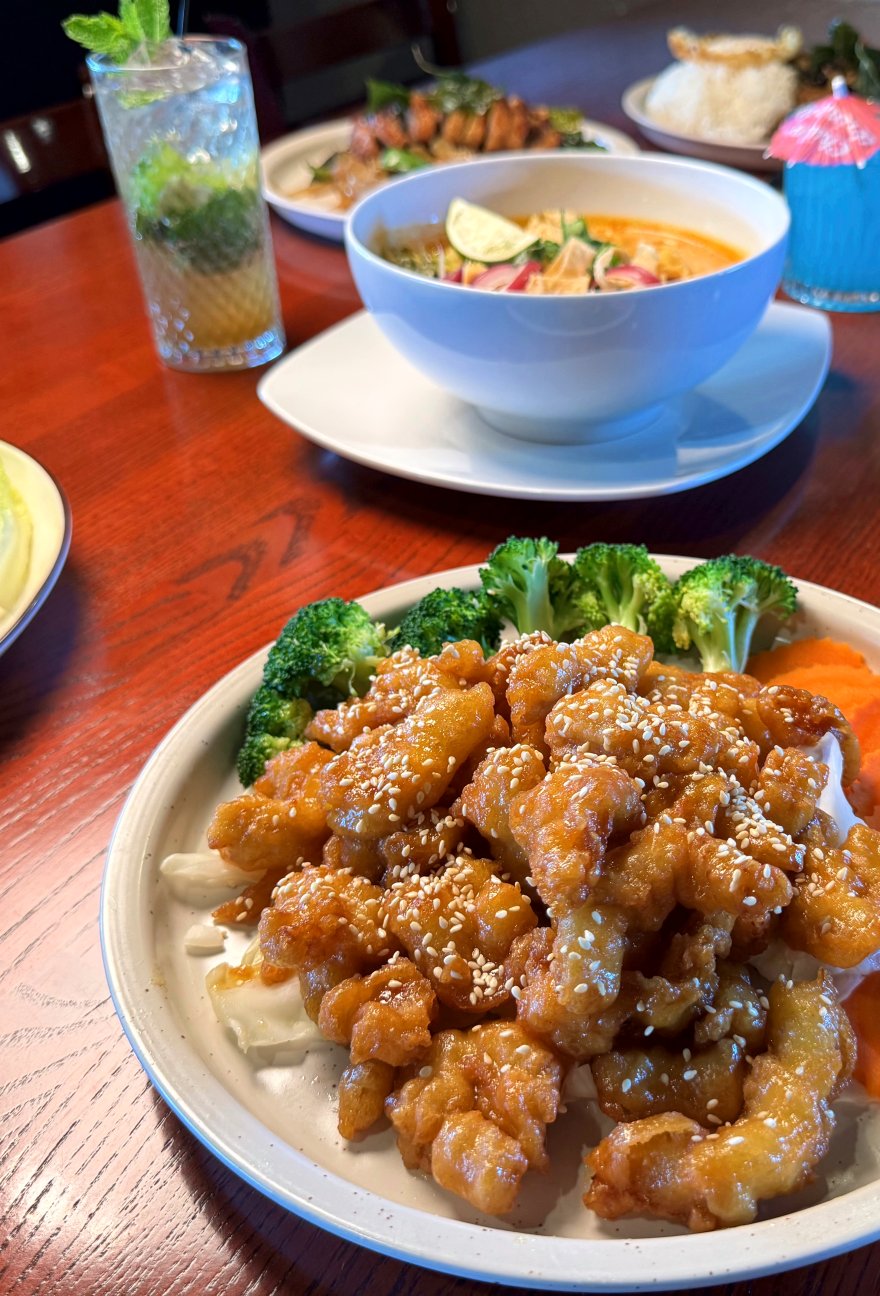
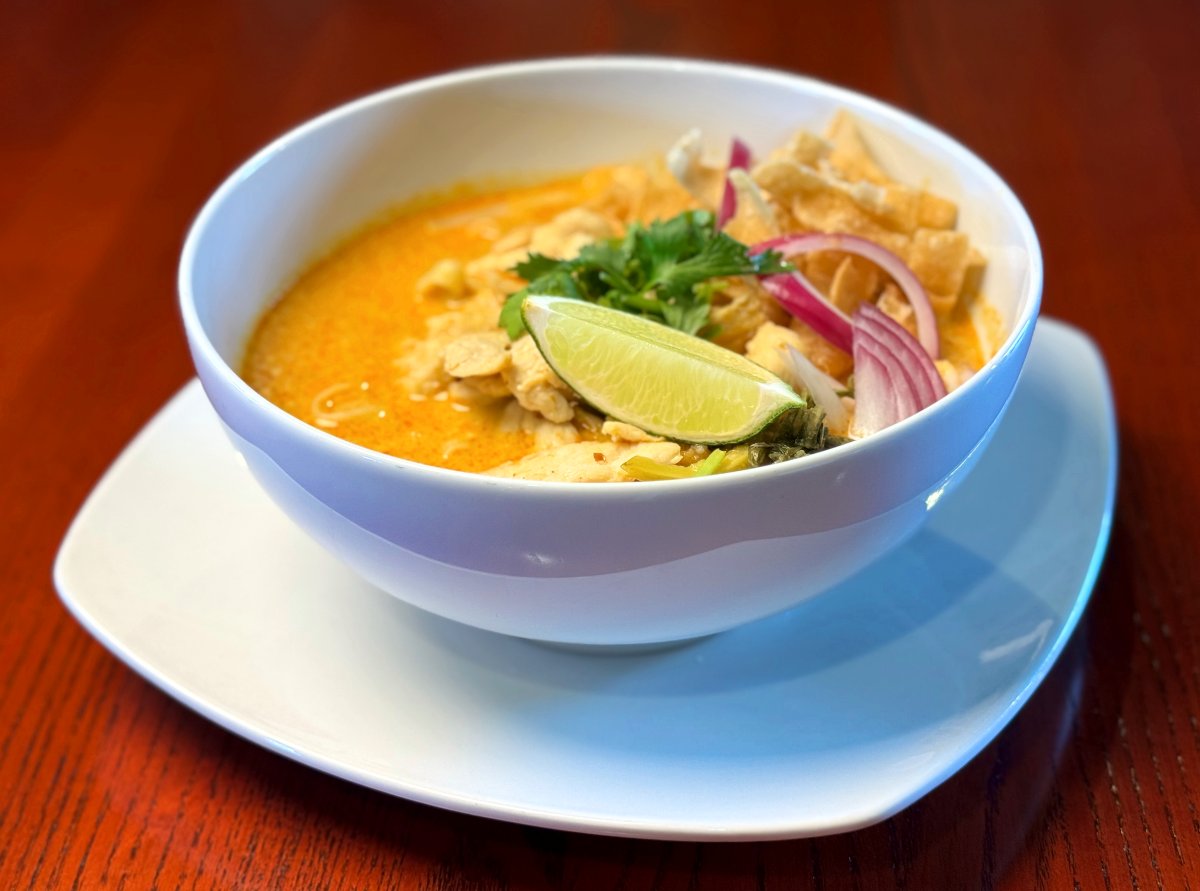
There are few takeout cravings as specific, and as hard to shake, as a plate of properly made drunken noodles. Not just any stir fried noodle dish, and not the version that leans so far into sugar that it tastes sticky and flat. The best Drunken Noodle arrives with chew, smoke, basil perfume, a flash of chili, and just enough sweetness to pull the whole pan together. When people search for Drunken Noodles Near Me, that balance is usually what they want, whether they realize it or not.
I have eaten plenty of versions that missed the mark. Some were aggressively sweet, almost like a glossy pad thai with basil thrown in at the end. Others chased heat so hard that every bite felt one note and punishing. The memorable ones landed in the middle. They gave you caramelized edges on the noodles, crisp vegetables, a savory backbone from soy based seasoning, and a finish that warmed the mouth without blowing out the palate. That is the sweet spot, literally and figuratively.
If you are trying to find a local spot worth returning to, it helps to know what this dish is supposed to taste like, how restaurants tend to get it wrong, and which details separate a decent plate from an excellent one.
What drunken noodles should actually taste like
Despite the name, drunken noodles are not supposed to taste boozy. The dish, commonly associated with Thai pad kee mao, is built around broad rice noodles stir fried over very high heat with aromatics, sauces, vegetables, chili, and Thai basil. Depending on the kitchen, you may see chicken, beef, shrimp, tofu, or a mix of proteins. What matters most is how the sauce behaves in the wok.
A strong plate of Drunken Noodle has contrast. Sweetness should show up first as roundness, not as syrup. Heat should register quickly but keep room for flavor. Salt and umami need to hold the middle. Basil should lift the dish so it does not feel heavy. The noodles should absorb some sauce while still keeping their shape. When a cook nails it, every bite tastes slightly different. One forkful gives you more basil and chili, the next catches char on a noodle edge, the next brings the crunch of bell pepper or onion.
That variation is a sign of a real wok dish. It tastes alive.
Many diners lump drunken noodles together with other Thai noodle staples, but they occupy their own lane. Pad see ew is usually darker, sweeter, and more mellow. Pad thai is more tangy and peanut forward in the versions most Americans know. Drunken noodles should be bolder and looser, with more aromatic heat and a sharper savory edge. If your plate tastes like sweet soy noodles with a little red pepper flake, the kitchen probably played it too safe.
Why the sweet and heat balance matters so much
The sweet and heat balance is not a trendy talking point. It is the core tension that makes this dish addictive. Sweetness helps the chili travel across the tongue instead of hitting like a blunt object. Heat keeps the sweetness from becoming cloying. Savory depth ties both together so the dish still reads as dinner, not candy with noodles.
Restaurants that overdo sweetness often do so for a practical reason. Sugar is forgiving. It softens salt, covers inconsistencies, and keeps takeout tasting full after a ten or fifteen minute ride home. Heat is trickier. Fresh chili varies. Dried chili behaves differently than chili paste. A pan that cooks too long can intensify spice while drying out the noodles. A busy kitchen may default to a milder, sweeter baseline because it creates fewer complaints.
The best places trust the structure of the dish. They know a proper Drunken Noodle does not need to shout. It needs to pulse. You should get a little sweetness at the front, savory density in the center, and heat that lingers a few seconds after you swallow. If the burn disappears immediately, the dish may lack enough chili or aromatics. If the sweetness sticks to your teeth, it has gone too far.
I have found that many excellent neighborhood Thai restaurants do not advertise this balance directly, but you can taste it in the first few bites. There is restraint. Even when the dish is spicy, it is not chaotic.
How to judge a local spot before you order
Searching Drunken Noodles Near Me usually starts with convenience, but convenience does not tell you much. Restaurant photos can help, though not always in the way people think. A glossy close up tells you less than a wider photo where you can see proportion, vegetable variety, and whether the noodles look clumped or supple.
Menu language offers clues too. If the description mentions Thai basil specifically, that is encouraging. If spice levels are customizable, that can be useful, though it is not always a guarantee. Some kitchens have a genuine graduated heat scale. Others simply add more chili sauce on top after cooking, which creates surface heat without deeper flavor.
Customer reviews are most useful when they mention texture and balance rather than just calling the dish “good” or “spicy.” A review that says the noodles stayed chewy in delivery, or that the basil aroma came through, is more helpful than a dozen generic star ratings. Look for comments about consistency as well. One lucky plate is not enough. The places worth saving deliver the same character on a quiet Tuesday and a slammed Saturday night.
Here are a few signs that a restaurant may take this dish seriously:
- The menu distinguishes between noodle dishes instead of treating them as one interchangeable category.
- Diners mention basil, wok char, or balanced spice in reviews.
- The restaurant offers proteins like shrimp, beef, tofu, or chicken without making the dish feel like an afterthought.
- Photos show broad rice noodles that are glossy but not drowned in sauce.
- The dish is still recommended by people who clearly order Thai food often, not just casual first timers.
Those details do not guarantee greatness, but they improve your odds.
The texture test most people overlook
Flavor gets the spotlight, but texture often decides whether drunken noodles feel satisfying or disappointing. Broad rice noodles are delicate. They need enough sauce to stay silky, but too much will turn the bottom of the container into a puddle and the top layer into a gummy mass. Overcooked noodles tear and clump. Undercooked noodles feel stiff and chalky in the center.
A good kitchen usually threads a narrow needle. The noodles https://elliotzlxg659.image-perth.org/best-drunken-noodle-near-me-for-bold-fiery-flavor should bend and fold, not break apart. They should carry enough caramelized seasoning to taste seasoned even at the edges, where sauce coverage is lighter. The vegetables need their own texture role. Onions should soften without disappearing. Bell peppers should keep a slight snap. If baby corn, green beans, or broccoli appear, they should complement the noodle texture rather than hijack it.
Protein matters here too. Thin sliced beef can add richness but overcooks quickly. Chicken can be excellent, though bland versions are common if the meat is not marinated or seared properly. Shrimp pairs beautifully with chili and basil, but timing is unforgiving. Tofu can be the best option in some places because it soaks up sauce and keeps its shape, especially if the kitchen fries it first.
One of the easiest ways to spot a strong Drunken Noodle is to notice whether the noodles and vegetables feel like they were cooked together rather than assembled in a rush. In the better versions, the sauce has touched everything.
Sweetness is not the enemy, lazy sweetness is
People sometimes talk about sweet dishes as if sweetness itself were a flaw. It is not. A little sweetness is essential in many Thai stir fries because it rounds the dish and supports browning. The problem is lazy sweetness, the kind that sits on top and dulls every other note.
You can usually tell the difference in seconds. Thoughtful sweetness feels integrated. It is there to encourage savoriness, not replace it. The aroma still leads with basil, garlic, and chili. The finish is clean enough to invite another bite. Lazy sweetness tastes heavy, obvious, and one dimensional. It tends to flatten the vegetables and make the protein interchangeable.
This is especially noticeable with takeout. A balanced Drunken Noodle can survive the trip home surprisingly well. In some cases, the flavors even settle in nicely over ten minutes. An overly sweet one gets worse as it cools. The sugar becomes more dominant, the noodles stick together, and the heat fades into the background.
If you have ever eaten two versions from different restaurants on the same week, you know how dramatic that gap can be. One keeps calling you back to the container. The other tastes good for three bites and then feels like work.
Heat should build, not punish
There is a difference between spicy food and well judged heat. Drunken noodles should wake up the palate, not numb it. That matters because basil, garlic, soy, and wok char all need room to register. If the first bite sets your mouth on fire so completely that you cannot taste anything else, the dish has lost its balance.
That does not mean it should be mild. A proper Drunken Noodle can absolutely be assertive. In fact, a medium or medium hot version is often where the dish shines, because the chili can bloom without eclipsing everything around it. The best cooks know how to build heat in layers. Fresh chili gives brightness. Chili paste can add depth. Peppery basil contributes a different kind of warmth. Even garlic, when cooked hard in oil, can sharpen the overall profile.
One of my favorite versions came from a small neighborhood place where the cook warned me that their medium was “restaurant medium,” not “tourist medium.” He was right. The dish had real heat, enough to make my nose run a little, but it also had sweetness tucked into the sauce and basil so fragrant that the whole plate smelled green and peppery. I finished it faster than I intended. That is the benchmark I use now. Not whether the dish is spicy on paper, but whether the heat keeps sending you back for another bite.
How to order for the best result
If you are trying a new restaurant, a little strategy helps. You do not need to overengineer your order, but you should think about how spice level, protein, and pickup timing affect the dish. Drunken noodles are not a “set it and forget it” meal. A few small decisions can change the experience.
Keep these ordering habits in mind:
- Order one notch below your maximum spice tolerance if you are trying a place for the first time.
- Ask for Thai basil to be included if the menu allows modifications and the description is vague.
- Choose pickup over long delivery when possible, especially during peak dinner hours.
- If you like leftovers, request extra vegetables or tofu, which often reheat better than shrimp.
- Eat it soon after it arrives, because broad rice noodles lose texture faster than many other takeout dishes.
Those choices are practical, not fussy. They simply give the dish a better chance to show what the kitchen intended.
The role of basil, and why it changes everything
If I had to pick one element that separates an average Drunken Noodle from a memorable one, it would be basil. Thai basil is not garnish here. It is structural. Its anise tinges, peppery lift, and volatile aroma keep the dish from collapsing under its own richness.
When restaurants use too little basil, the noodles can feel muddy. When they use regular Italian basil as a substitute, the dish can still be enjoyable, but it usually loses a bit of the sharp, savory fragrance that makes pad kee mao distinctive. This is one reason local regulars often become loyal to a specific Thai kitchen. Once you find a place that gets the basil right, the dish starts to feel complete in a way that is hard to fake.
Basil also interacts beautifully with sweet and heat. It softens the edges of chili without muting it. It gives sweetness a fresh top note. If you open a takeout container and the first thing you smell is warm basil and garlic rather than sugar, that is usually a promising sign.
Regional adaptation and why your local favorite may not taste “authentic”
Drunken noodles vary, sometimes a lot. Local Thai restaurants adapt to ingredient availability, neighborhood preferences, kitchen equipment, and customer spice tolerance. That does not automatically make a dish inauthentic or inferior. It simply means you are eating a living restaurant version rather than a museum piece.
Some kitchens push soy and dark caramel notes. Others lean brighter and hotter. Some use more vegetables, making the dish feel almost like a stir fry with noodles folded in. Others let the noodles dominate. If you are chasing the perfect Drunken Noodle, it helps to think less in rigid authenticity debates and more in terms of execution. Does the dish have energy? Does it respect the noodle? Do sweetness and heat support each other? Does the basil come through?
I have had polished urban versions with elegant restraint and strip mall versions cooked in a blistering wok that tasted louder, messier, and arguably more thrilling. Both had merit. The common thread was balance.
Pairing the dish without dulling it
What you eat alongside drunken noodles can either sharpen the experience or flatten it. A sugary Thai iced tea, while delicious, can make a sweet leaning noodle dish feel even sweeter. Beer can work well, especially something crisp and light, because it cools the heat without masking basil and chili. Sparkling water with lime is underrated for the same reason.
As for sides, restraint usually pays off. If the noodles are rich and spicy, a fresh papaya salad can be a smart counterpoint if you enjoy a more intense meal. Crispy spring rolls are comforting but may feel heavy with a large noodle portion. Tom yum soup can be a strong pairing for those who want a full flavored spread, though you are stacking a lot of spice and acid in one meal. Sometimes the best move is simply ordering the noodles on their own and giving them your full attention.
That may sound dramatic for takeout, but the dish earns it when done well.
Why some places become your permanent answer to “Drunken Noodles Near Me”
At some point, the search ends. You stop typing Drunken Noodles Near Me into your phone because one restaurant has won your trust. It may not be the fanciest place. It may not even be the closest. But it gets the fundamentals right every time.
Maybe the noodles stay chewy even twenty minutes after pickup. Maybe the basil is always generous. Maybe the kitchen understands that “medium spicy” should still taste like food. Reliability is part of quality, especially with a dish this sensitive to timing and pan heat. A single excellent plate can impress you. Ten excellent plates make the restaurant part of your regular rotation.
That reliability often comes from small operational habits you never see. The kitchen may portion sauces carefully, blanch vegetables just enough before the wok, or cook noodles in smaller batches so they do not clump. Cooks at busy Thai restaurants develop a feel for when broad rice noodles are about to go from supple to broken. That instinct is hard to teach and easy to taste.
The result is a dish that feels effortless when it is anything but.
A final test you can use with every order
If you want one simple measure for whether a restaurant truly understands drunken noodles, ask yourself what happens after the third bite. The first bite can impress almost anyone with heat, gloss, and aroma. The third bite tells the truth. Are you still noticing new details, like basil, char, and savory depth? Is the sweetness staying in the background where it belongs? Is the heat building in a way that makes sense? Do the noodles still have life?
That is the real test of the perfect balance of sweet and heat. Not whether the dish is dramatic, oversized, or social media ready, but whether it remains compelling as you keep eating.
The best Drunken Noodle does exactly that. It starts bold, settles into rhythm, and never turns dull. When you find a local place that can deliver that balance consistently, hang onto it. Good drunken noodles are easy to crave, harder to find, and absolutely worth the search.
Nakhon Luang Thai Kitchen
Address: 805 Village Center Dr, Colorado Springs, CO 80919
Phone number: +17195315175
FAQ About Drunken Noodles Near Me
What makes it drunken noodles?
Drunken noodles, or Pad Kee Mao, get their name from the Thai word khi mao (meaning "drunkard"). They contain no alcohol. The name comes from the idea that the dish is a popular late-night meal to cure a hangover or a great food to eat with a cold beer.
What is the difference between pad see ew and drunken noodles?
While both Pad See Ew and Drunken Noodles use the same wide rice noodles, Pad See Ew is a mild, sweet-savory dish made with dark soy sauce and Chinese broccoli, whereas Drunken Noodles (Pad Kee Mao) are fiery, garlicky, and herbaceous with fresh chilies and Thai basil.
What are traditional drunken noodles?
Traditional drunken noodles, known as Pad Kee Mao in Thai, are a fiery, savory street food stir-fry made with wide flat rice noodles, fresh garlic, lots of hot chilies, meat or tofu, and fragrant holy basil. Despite the name, they contain no alcohol; the dish is traditionally eaten late at night or as a hangover cure because the intense spice helps clear the head.