Drunken Noodles Near Me: Must-Try Restaurants in Your Area
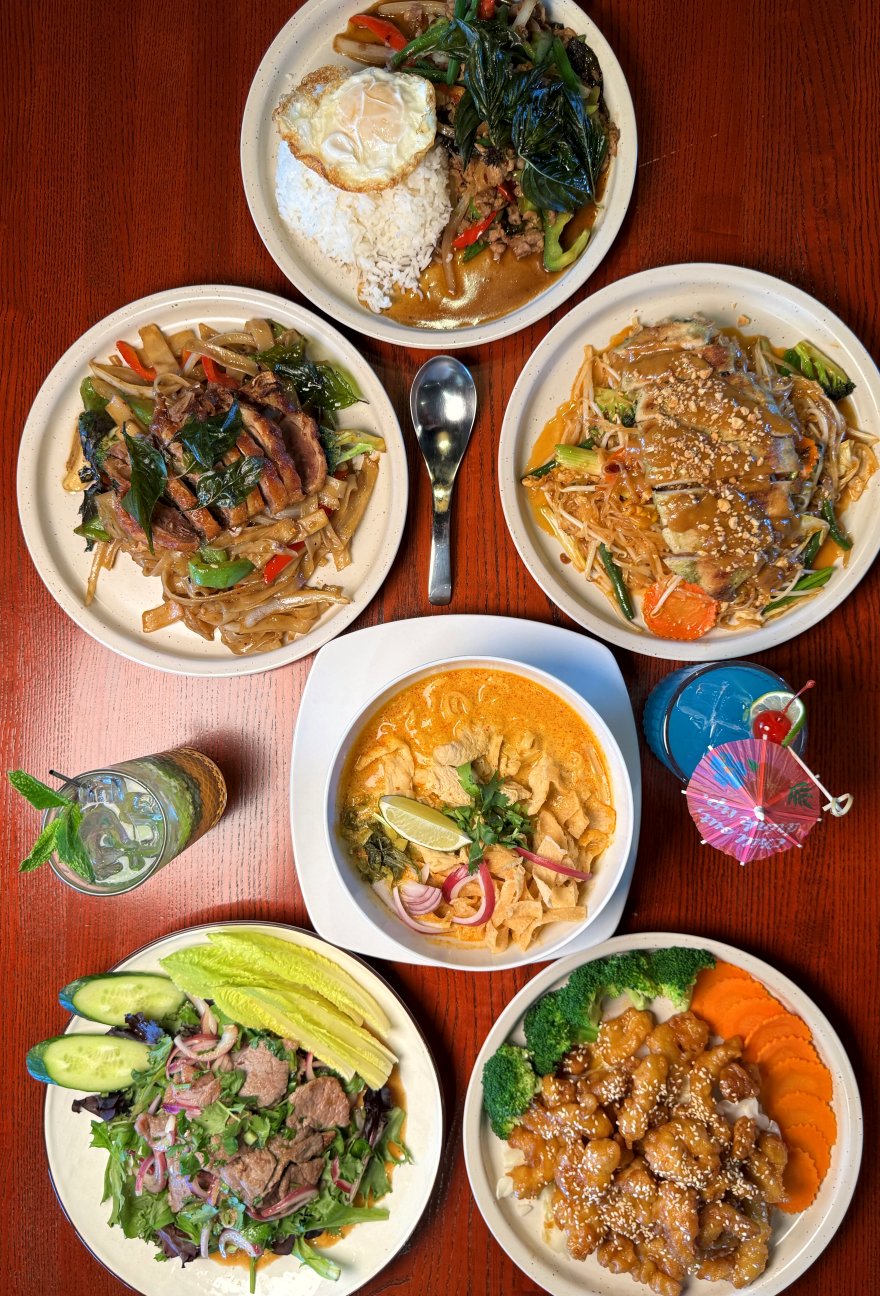
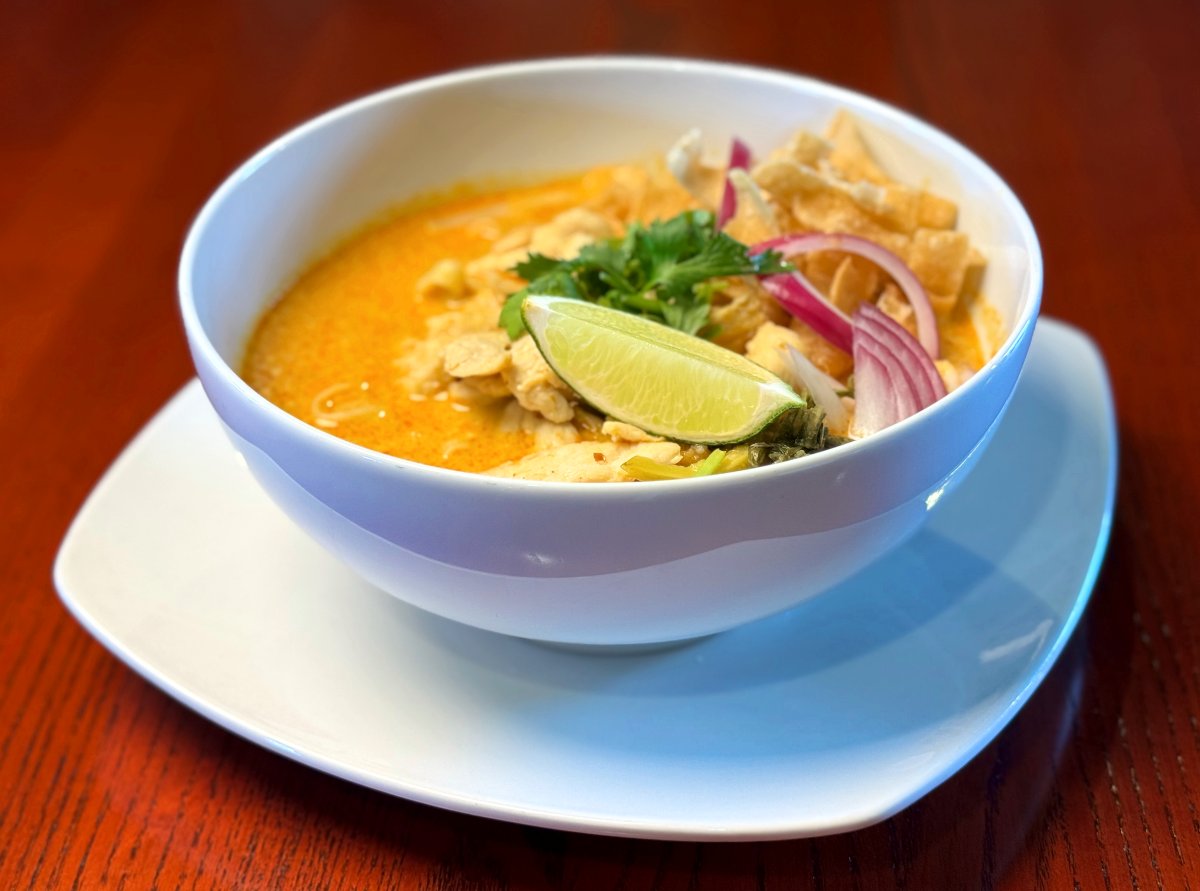
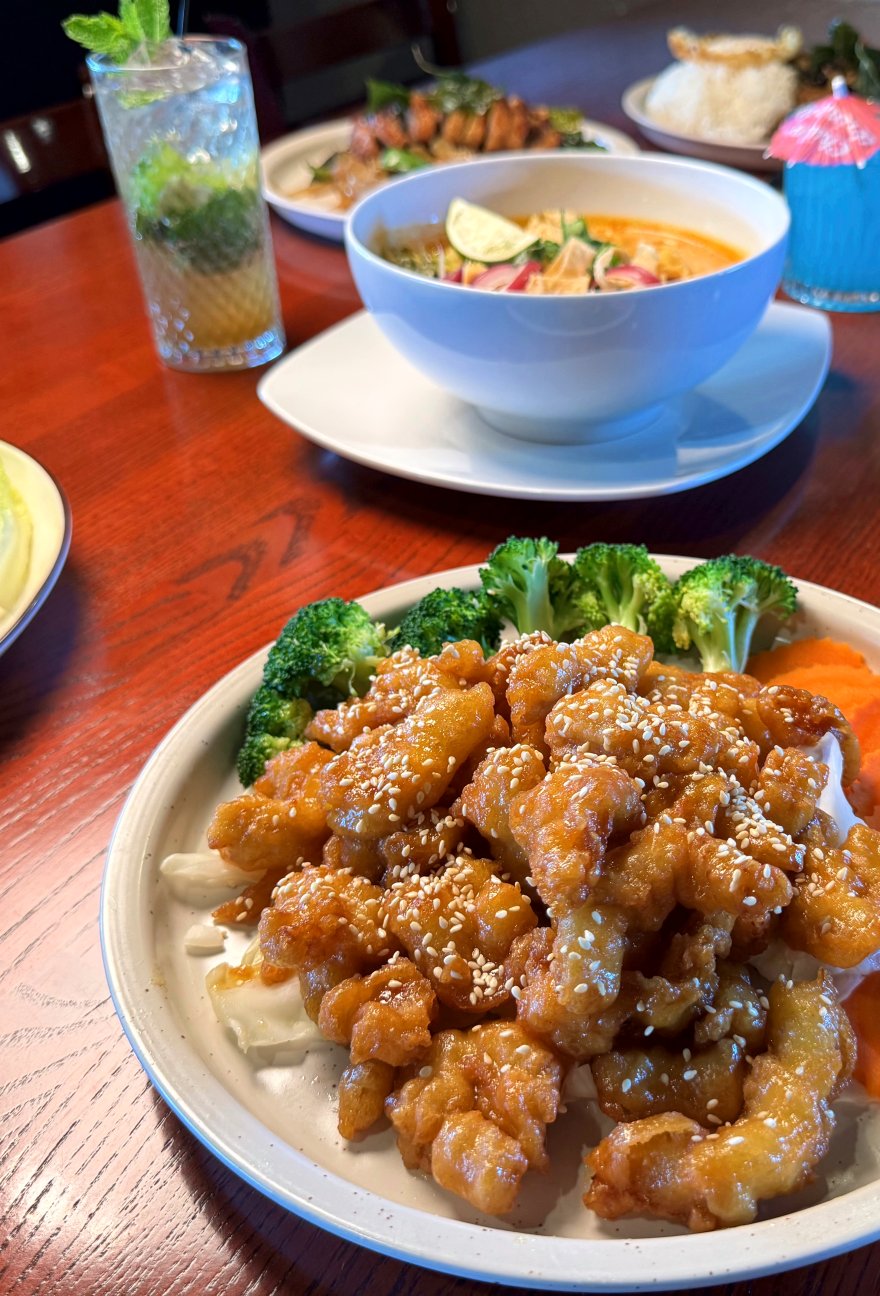
Few dishes reveal the strengths of a Thai kitchen as quickly as a plate of drunken noodles. When they are done well, you get wide rice noodles with real chew, a glossy sauce that clings instead of pooling, basil that still tastes alive, and enough heat to wake up the whole bowl without flattening it. When they are done poorly, the dish turns into a sticky, sweet tangle with limp vegetables and overcooked protein. That gap is exactly why the search for the best Drunken Noodles Near Me can feel oddly serious for a weeknight dinner decision.
Plenty of diners treat drunken noodles as a safe default, the thing you order when you do not want to think too hard. I have never looked at it that way. A good Drunken Noodle is not filler. It is a kitchen test. It shows whether the wok station understands heat, timing, restraint, and balance. The best local restaurants know this, even if they never say it outright.
If you are trying to figure out where to order tonight, or which restaurant deserves a repeat visit, it helps to know what separates a memorable plate from an average one. It also helps to know that not every kind of Thai restaurant makes this dish equally well. Some neighborhood spots excel at curries but struggle with wok-fired noodles. Some late-night places turn out fantastic, spicy noodles because their cooks work the pan hard and fast. Some polished dining rooms produce a refined version with beautiful ingredients but less of the smoky edge many people crave.
What drunken noodles should taste like
Drunken noodles, often listed as pad kee mao, are bold by design. The dish usually combines wide rice noodles, garlic, chilies, vegetables, Thai basil, and a savory sauce that leans on soy-based seasoning, often with fish sauce and a touch of sweetness. Depending on the kitchen, you might see chicken, beef, shrimp, tofu, or a seafood mix. The profile should be assertive, but not muddy.
The first thing I look for is balance. Salt, spice, sweetness, and aromatics all need to show up, but no single note should dominate the first three bites. If the sauce tastes mostly sugary, the kitchen may be compensating for weak heat or bland ingredients. If the dish is aggressively salty, it often means the cook pushed the seasoning without enough fresh basil or vegetables to round it out. If it is spicy with nothing else going on, that is not bold cooking, it is shortcut cooking.
Texture matters just as much. Wide rice noodles should have flexibility and body. They should not break apart every time you lift them. They should not be so oily that the box looks lacquered after ten minutes. Bell peppers, onions, baby corn, green beans, or broccoli can all work, depending on the restaurant’s style, but the vegetables should keep some bite. A good wok cook knows how to leave a little life in them.
Then there is the aroma. Basil should be present enough that you catch it before the first bite. Garlic should smell toasted, not burnt. If the dish arrives and all you can smell is sugar or generic oil, expectations should drop immediately.
The restaurants most likely to get it right
Not every excellent Thai restaurant is equally strong at noodles, and not every modest strip-mall storefront should be underestimated. In practice, the places that make the best drunken noodles tend to fall into a few familiar patterns.
Family-run Thai restaurants often do especially well because the dish stays close to the kitchen’s comfort zone. These restaurants may not have the broadest menus or the slickest websites, but they tend to respect fundamentals. The sauces taste layered. The spice levels mean something. If you see regulars ordering pad kee mao for dine-in rather than just takeout, that is usually a strong sign.
Busy lunch spots can also be surprisingly reliable. Fast turnover helps noodles. Freshly cooked rice noodles hold texture better than noodles sitting too long after prep. A restaurant that sends out dozens of noodle plates during lunch service usually has a more disciplined wok station than a place where noodle dishes are occasional orders.
Late-night Thai spots deserve more credit than they often get. A lot of people assume late-night service means lower quality. Sometimes that is true. Sometimes it is the opposite. Restaurants that serve workers, students, and hospitality staff after hours often have cooks who know exactly how to make punchy, satisfying noodle dishes. They build flavor for people who have eaten enough mediocre food to know the difference.
Upscale Thai restaurants can be excellent for drunken noodles too, but the style may shift. The vegetables may be more carefully cut, the protein better sourced, the plating neater. What you sometimes lose is the rough-edged wok intensity that makes the best casual versions so addictive. That is not automatically a flaw. It just means you should know what kind of experience you want.
Clues hidden in the menu
Menus tell on restaurants. You can often predict the quality of their drunken noodles before you order, if you know where to look. A menu that distinguishes between Thai basil and regular basil suggests care. A menu that offers meaningful spice guidance, rather than a vague “mild, medium, hot,” often signals a kitchen that understands heat as a flavor tool, not a gimmick. If the restaurant also does a strong job with other wok dishes such as basil fried rice or pad see ew, chances are better that their noodle technique is solid.
You can also learn something from protein options. If a restaurant offers drunken noodles with duck, crispy pork, or seafood in addition to the usual chicken and tofu, that often points to a more confident kitchen. Variety alone does not prove quality, of course, but it can suggest that the restaurant sells enough of the dish to justify range.
Descriptions matter too. A menu that mentions fresh chili, garlic, and basil gives a better sign than one that reduces everything to “spicy noodles with vegetables.” The more specific the language, the more likely the kitchen actually cares about the dish rather than keeping it on the menu as a checkbox item.
The five signs you found a standout plate
- The noodles stay distinct instead of clumping into a dense block.
- The basil still tastes fresh and slightly peppery.
- The spice builds gradually rather than hitting like a dare.
- The sauce coats the noodles without drowning the box in oil.
- The vegetables and protein feel integrated, not like separate components tossed together at the last second.
These details sound small until you eat enough versions to notice the pattern. The best plates always feel cohesive. Every part tastes like it belongs in the same pan, at the same moment.
How spice level changes the whole dish
One of the most common ordering mistakes is treating spice as a separate preference from flavor. With drunken noodles, that rarely works. The heat level affects the structure of the dish. Too little heat and the sauce can read flat or sweeter than intended. Too much and you lose the basil, garlic, and char under a wave of capsaicin.
Most restaurants in the United States calibrate spice differently. “Medium” in one place may be gentler than “mild” in another. Restaurants that cook for a broad local audience sometimes soften the dish significantly, especially for delivery orders. If you like a true Thai-style kick but still want to taste the rest of the bowl, asking for medium-hot or “Thai hot, but balanced” often gets better results than simply saying “extra spicy.”
There is also a practical point here: if you are ordering takeout, the spice can intensify as the noodles sit in a closed container. Steam keeps everything hot, and the aromatics continue to mingle. I have had dine-in plates that tasted perfect at the table but noticeably hotter twenty minutes later out of a takeout box. That does not mean you should order timidly. It means the ideal heat for delivery is sometimes one notch below your dine-in comfort zone.
Why takeout and dine-in versions can taste different
Drunken noodles are one of those dishes that expose the strengths and weaknesses of takeout. Straight from the wok, the noodles have spring, the vegetables have edge, and the basil is especially fragrant. After fifteen to twenty minutes in a sealed container, condensation starts to soften everything. A strong restaurant anticipates this and slightly under-finishes the vegetables or keeps the sauce from going too heavy. A weaker one sends out a perfect-looking box that turns limp by the time you get home.
That difference matters when you are evaluating local restaurants. A place that serves a great dine-in Drunken Noodle may only be average for delivery. Another place may engineer the dish specifically for travel and end up being your best weeknight option. If your goal is finding the best Drunken Noodles Near Me for takeout, pay attention to how the leftovers behave too. The better versions reheat without becoming gluey. The noodles loosen with a short skillet toss or a brief microwave reheat and still hold flavor.
For pickup orders, I usually judge a restaurant on three things: whether the noodles are still separate when the container opens, whether the basil aroma survives the trip, and whether the sauce remains cohesive instead of breaking into oil at the bottom. If all three hold up, the restaurant probably understands the dish at a technical level.
Protein choices that actually improve the dish
Chicken is the most common option for a reason. It absorbs sauce well and stays familiar. But it is rarely the most interesting. Beef, especially when sliced thin and cooked quickly over high heat, can give the noodles more savor and stand up better to spice. Shrimp works nicely if the restaurant cooks it carefully, though overcooked shrimp ruins the effect fast. Tofu is excellent in the right hands because it soaks up the sauce, but only if the kitchen seasons it properly and does not treat it as an afterthought.
Crispy pork, when available, is often the move. The richness plays beautifully against chilies and basil, and the contrast between tender noodles and crisp-edged pork adds texture that many versions lack. Seafood can be outstanding too, but it introduces more risk. A restaurant that overcooks squid or shrimp by even a minute can drag the whole plate down.
If you are trying a new local restaurant for the first time, chicken or beef is the safest benchmark. Once you trust the kitchen, branch out. Restaurants with a strong wok station usually handle the more demanding proteins better.
What the best local spots understand about vegetables
Vegetables in drunken noodles are not filler. They shape the dish’s rhythm. Onion adds sweetness and bite. Bell pepper brings freshness. Green beans or broccoli introduce firmness. Baby corn, carrots, mushrooms, or zucchini can work, though some combinations pull the dish in a softer, sweeter direction.
The strongest local restaurants use vegetables to break up the richness of the noodles and sauce. That may sound obvious, but many places miss it. They either undercook the vegetables so they feel disconnected from the rest of the dish, or overcook them until everything in the container becomes the same texture. Neither version satisfies for long.
One neighborhood Thai place I still think about served drunken noodles with onion, long beans, and a generous handful of basil, nothing fancy. What made it memorable was proportion. The vegetables were not crowding the noodles, but every forkful had some https://landenxquw448.bearsfanteamshop.com/drunken-noodles-near-me-top-choices-for-spicy-noodle-enthusiasts snap and lift. It is a detail that sounds minor until you order from a restaurant that gets lazy and sends out a heavy box of noodles with a few soft pepper strips hidden underneath.
Reading reviews without getting misled
Online reviews can help, but only if you filter them correctly. A lot of people reviewing Thai food are really reviewing speed, portion size, or how closely a dish matched their personal spice tolerance. Those things matter, but they do not always tell you whether the drunken noodles are actually good.
The comments worth trusting usually mention specifics. Words like smoky, basil-forward, chewy noodles, balanced heat, or not too sweet are useful. Complaints about blandness, sogginess, excess oil, or broken noodles are useful too. Generic praise such as “amazing food” tells you almost nothing. So does a one-star complaint based entirely on the dish being “too spicy” when the menu clearly labeled it hot.
Photos help more than most written reviews. If the noodles look pale, chopped into short fragments, or buried under a thick puddle of sauce, that is a warning. If the basil is visibly dark and wilted to nothing, the dish may have sat too long before serving or was overworked in the pan. On the other hand, a glossy tangle of broad noodles with visible chilies, vegetables, and basil usually suggests a kitchen that knows its way around the dish.
Price, portion size, and value
Drunken noodles are usually priced in the middle of a Thai menu, often more than pad thai but less than premium curries or specialty entrees. Depending on your city, you might see a plain version in the low teens or a more elaborate seafood or house-special version edging much higher. Price alone does not predict quality, but value does.
A well-made portion should feel substantial without becoming a brick. If the container weighs a ton because it is overloaded with oily noodles, that is not generosity, it is imbalance. The best-value restaurants give you enough for a filling meal, sometimes with leftovers, while still preserving texture and proportion.
There is also a hidden cost to mediocre drunken noodles. When a dish is too sweet, too greasy, or too salty, you notice it halfway through. The portion may be large, but the pleasure drops off. A slightly smaller plate from a better restaurant often feels like a smarter buy because every bite earns its place.
Matching the restaurant to the occasion
The best restaurant for drunken noodles depends partly on why you are ordering. A weeknight solo takeout dinner calls for something different than a Friday meal with friends. If you want comfort and consistency, a reliable neighborhood Thai spot usually beats a trendier restaurant. If you want to impress someone who cares about ingredient quality and presentation, a more polished place may be worth the higher check. If it is late and you want a plate with real heat and personality, the bustling after-hours spot might outperform both.
This is where experience with your local restaurant scene matters. The phrase Drunken Noodles Near Me sounds simple, but your ideal result changes with context. Some restaurants win on dine-in atmosphere. Others win because they package noodles well and stay open late. Others become staples because they have the confidence to cook the dish properly spicy without turning it into a stunt.
A better way to find your go-to spot
If you are serious about finding the best drunken noodles in your area, compare restaurants intentionally rather than randomly. Order the same dish from two or three local Thai spots over a few weeks. Keep the protein similar. Ask for a similar spice level each time. Pay attention to texture, basil aroma, sauce balance, and how the dish travels. Patterns emerge quickly.
You will probably notice that one restaurant makes sweeter noodles, another leans saltier, and a third nails the wok flavor but skimps on basil. That is useful information. Once you know a kitchen’s tendencies, you can order more intelligently. You might choose one place for dine-in, another for delivery, and another only when you want the hottest version around.
A genuinely great Drunken Noodle leaves a clear impression. You remember the chew of the noodles, the fragrance that rose from the box, the way the heat built without overwhelming the other flavors. You also remember how difficult it was to stop eating once you were full. That is usually the sign you have found the restaurant worth saving to favorites, the one you recommend when someone asks where to get Thai food tonight.
The best part is that these places are often closer than people think. They may be tucked into an ordinary plaza, sitting between a dry cleaner and a pharmacy, or hidden on a side street with only a small sign out front. Great drunken noodles do not need a grand setting. They need a hot wok, a confident hand with seasoning, and a kitchen that understands that noodles are not the cheap option on the menu. Done right, they are the reason you came in the first place.
Nakhon Luang Thai Kitchen
Address: 805 Village Center Dr, Colorado Springs, CO 80919
Phone number: +17195315175
FAQ About Drunken Noodles Near Me
What makes it drunken noodles?
Drunken noodles, or Pad Kee Mao, get their name from the Thai word khi mao (meaning "drunkard"). They contain no alcohol. The name comes from the idea that the dish is a popular late-night meal to cure a hangover or a great food to eat with a cold beer.
What is the difference between pad see ew and drunken noodles?
While both Pad See Ew and Drunken Noodles use the same wide rice noodles, Pad See Ew is a mild, sweet-savory dish made with dark soy sauce and Chinese broccoli, whereas Drunken Noodles (Pad Kee Mao) are fiery, garlicky, and herbaceous with fresh chilies and Thai basil.
What are traditional drunken noodles?
Traditional drunken noodles, known as Pad Kee Mao in Thai, are a fiery, savory street food stir-fry made with wide flat rice noodles, fresh garlic, lots of hot chilies, meat or tofu, and fragrant holy basil. Despite the name, they contain no alcohol; the dish is traditionally eaten late at night or as a hangover cure because the intense spice helps clear the head.