Drunken Noodles Near Me: How to Discover New Local Thai Spots
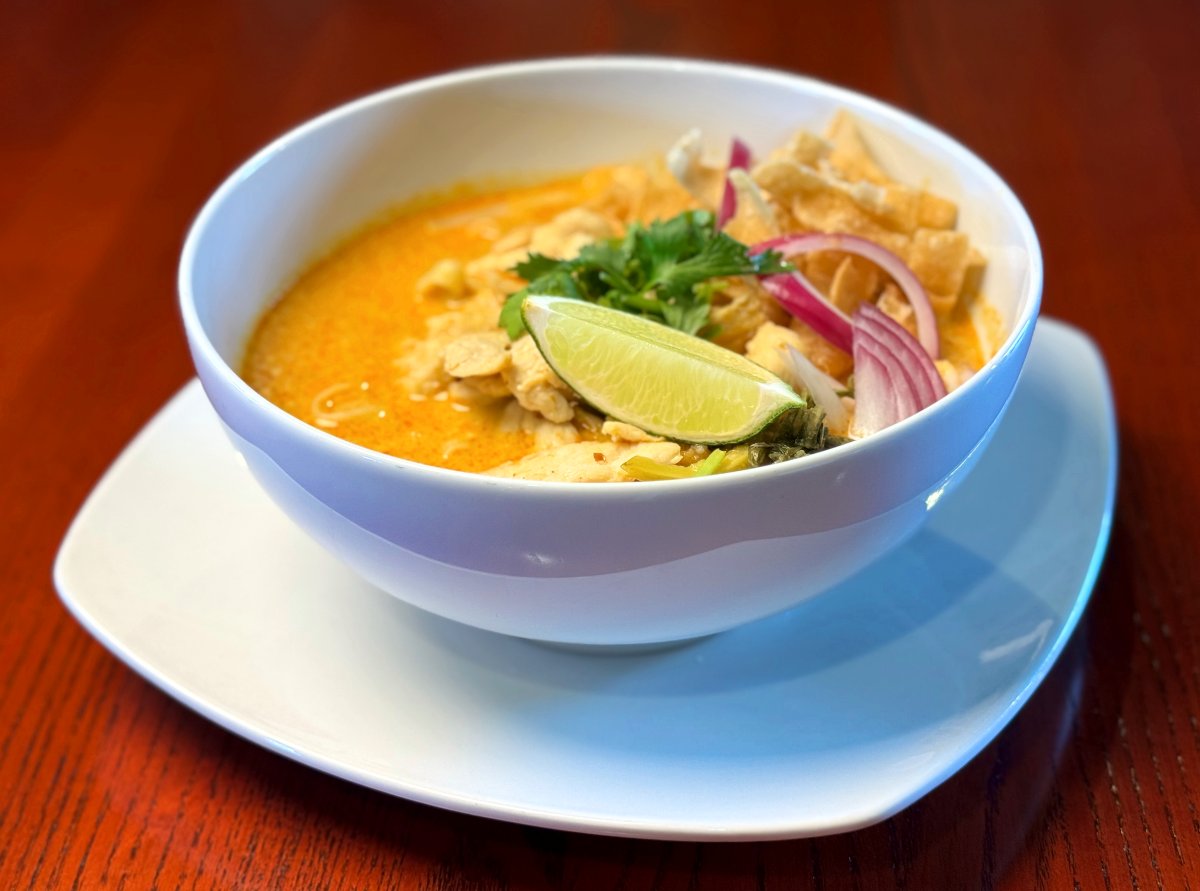

There is a specific kind of craving that sends people searching for Drunken Noodles Near Me. It usually arrives fast. You want heat, chew, basil, char from a hot wok, and that dark, glossy sauce that clings to broad rice noodles without turning them heavy. When the craving hits, the question is not whether you want Thai food. The question is where to find a place nearby that gets this dish right.
That is harder than it sounds.
A good Drunken Noodle can be deeply satisfying, but it is also one of those dishes that exposes a kitchen in a hurry. If the noodles are overcooked, the whole plate turns slack. If the sauce is too sweet, it starts tasting flat halfway through. If the cook is timid with basil or chili, the dish loses its personality. On the other hand, when a local Thai spot nails it, you remember the name, the block, even the parking situation. It becomes part of your regular rotation.
Finding those places takes more than typing a phrase into a map app and picking the first result. After years of trying neighborhood Thai restaurants in cities, suburbs, strip malls, and tiny family-run storefronts, I have learned that the best discoveries come from reading the signs behind the signs. Menus tell you something. Photos tell you more. The details in reviews tell you even more than that.
Why drunken noodles are such a useful test dish
If you want to judge a Thai kitchen quickly, drunken noodles are an excellent measure. The dish sits in a sweet spot between familiar and revealing. Most restaurants offer it, which makes comparison easy. Yet it still demands technique.
The noodles should be wide rice noodles with elasticity, not mush. The sauce should hit salty, savory, slightly sweet notes, often with soy-based depth and a little caramelized edge from wok cooking. Thai basil should show up clearly, not as a token garnish. Vegetables should keep some texture. The protein, if you add one, should feel integrated rather than tossed on top as an afterthought.
Most important, the dish should carry the energy of high heat. That lightly smoky, seared character, often called wok hei in broader Asian cooking conversations, matters here too. Without it, drunken noodles can taste like a bowl of soft noodles in brown sauce. Fine for hunger, forgettable for anyone actually looking for a standout local Thai spot.
Because the dish is so common, it is also where restaurants make adjustments for local taste. Some kitchens lean sweeter. Some reduce spice drastically unless you ask otherwise. Some add too many vegetables and stretch the sauce thin. None of this makes a place bad by default, but it does mean you need to read carefully before deciding where to order from.
Start with the menu, not the star rating
When people search Drunken Noodles Near Me, they often scan ratings first. That makes sense, but ratings flatten nuance. A restaurant with 4.2 stars might make an exceptional noodle dish and suffer from slow delivery times. A 4.7-star spot might be loved for curries and lunch specials while serving a mediocre pad kee mao, another common name for drunken noodles.
The menu usually gives better clues. Look at how the dish is described. If the restaurant specifically mentions Thai basil, broad rice noodles, chili, or stir-fried vegetables, that is encouraging. A vague description such as “spicy noodles with meat” does not tell you much. It may still be good, but it suggests a less intentional menu.
Also look at the range of Thai dishes offered. A menu with a strong mix of noodle dishes, regional curries, salads, stir-fries, and soups often signals a kitchen that cooks Thai food as a cuisine, not just as a handful of popular takeout items. If drunken noodles sit alongside larb, papaya salad, basil stir-fries, tom yum, and a few less familiar entries, that is usually a positive sign. Depth matters.
There is another subtle indicator. See whether the menu distinguishes between noodle styles. Restaurants that separately list pad see ew, pad thai, drunken noodles, and glass noodle dishes tend to understand the role each texture and sauce profile plays. When every noodle option feels interchangeable except for the name, standards may be looser.
Photos tell the truth that menus cannot
Food photos are imperfect, but they are incredibly useful if you know what to look for. I do not mean only the polished photos uploaded by the restaurant. Customer images are often more revealing because they show what arrives on an ordinary Tuesday night.
A strong plate of drunken noodles usually looks dark but not soupy. The noodles should appear coated, not drowning. You want to see pieces of basil, visible chili or chili flecks, and some blistered edges on onions or peppers. If every photo shows pale noodles with glossy orange-brown sauce and no visible basil, the flavor may skew sweet and generic.
Texture is visible too. Overcooked noodles fold into each other and lose definition. Better ones hold broad, distinct ribbons with a little curl and sheen. In photos, a good dish often looks a little messy in the best way, as if it was hit hard in the wok and plated fast. A bad one looks uniform and sleepy.
Protein can also reveal standards. Chicken should look seared, not boiled. Shrimp should look plump and separate, not buried. Tofu should have edges. If the tofu appears soft and white with no browning, the kitchen may not be giving the dish enough heat.
One caution here: photos can mislead if you only look at one. Search for consistency. If ten diners over three months all show a similar plate, you can trust the pattern more than a single attractive image.
Reviews are useful when you ignore most of them
The average online review is not written to help you decide whether a specific dish is worth ordering. It is written in the heat of delight, annoyance, or habit. That means you need to filter aggressively.
Short reviews that say “Amazing food” or “Terrible service” are mostly noise. The reviews worth reading mention dishes, flavors, timing, and details. If multiple people mention that the drunken noodles are smoky, spicy, basil-forward, or customizable in a way that still tastes balanced, that is meaningful. If several note that the dish turns oily or too sweet, believe them.
Pay attention to the language people use when discussing spice. One diner’s “perfectly spicy” is another person’s mild lunch. Helpful reviews usually provide context, something like, “I asked for medium and it had a real kick,” or “Thai hot was intense but still flavorful.” That tells you the restaurant has some range and that spice levels may not be arbitrary.
Reviews also help with practical matters that affect noodle dishes more than soups or curries. Delivery time matters because broad rice noodles do not improve while sitting in a sealed container. A place that gets rave reviews for dine-in but repeated complaints about limp noodles in delivery might still be worth trying, just not through an app on a rainy Friday night.
Here is a simple way to read review sections without getting lost:
- Search within reviews for “drunken noodles,” “pad kee mao,” and “basil.”
- Read the most recent ten or fifteen comments that mention those terms.
- Separate flavor comments from service complaints, because they point to different decisions.
- Check whether praise and criticism are consistent across months, not just one week.
- Note any mention of dine-in versus delivery quality.
That process takes five minutes and gives a better picture than scrolling star ratings for half an hour.
How local context changes what “good” looks like
A Thai restaurant in a dense city neighborhood plays a different game than one in a suburban plaza. In cities, competition is often tighter, rents are higher, and menus may be streamlined around fast turnover. In suburbs, you may find larger menus, more parking, and a broader customer base with mixed expectations about spice and authenticity.
That matters when evaluating a new place. A tiny storefront with eight tables and a short menu might produce a sharper, more focused drunken noodle than a sprawling takeout spot with sixty menu items. But the larger spot may be better for family orders, bigger portions, and dependable weeknight delivery. The right answer depends on what you value.
College towns are another category entirely. They often have Thai restaurants that prioritize speed, price, and late-night appeal. Sometimes that produces a surprisingly excellent noodle dish because high volume keeps the wok moving. Other times it leads to oversized portions with too much sauce and not enough finesse. I have had both versions within a few blocks of each other.
Areas with strong Southeast Asian communities can be especially rewarding. Menus may include more specific regional dishes, and the kitchen may be less shy with basil, fish sauce, and spice. Even then, assumptions can mislead. Some family-run places tone things down because the local audience expects it, while others will happily make a more traditional version if you ask clearly and politely.
The questions worth asking before you order
If you are picking up by phone or ordering in person, a brief conversation can tell you a lot. You do not need to interrogate anyone. Just ask useful questions.
A smart one is whether they use Thai basil in the drunken noodles. Another is whether spice levels can be adjusted. If you care about texture, ask whether the dish travels well or is best eaten immediately. Restaurants that answer confidently tend to know their own food well. Hesitation is not always a bad sign, especially in busy service, but clear answers are encouraging.
When ordering, be precise about heat without turning it into a dare. Saying “I like real spice, but I still want to taste the dish” usually works better than demanding the hottest possible version. Kitchens hear that challenge every day, and the results are unpredictable. Better to build trust with a restaurant over two or three visits than to torch your palate on the first try.
If you eat vegetarian, the conversation matters even more. Some places can make a genuinely strong vegetarian drunken noodle with tofu, mushrooms, and a balanced sauce. Others remove the meat but leave the dish underseasoned. Fish sauce and oyster sauce also come into play, so if strict vegetarian or vegan standards matter to you, ask directly rather than assuming.
Delivery apps help, but they also distort the picture
Apps are convenient, and they are often the first place people check when searching Drunken Noodles Near Me. They also shape your choices in ways that have little to do with flavor. Sponsored listings rise to the top. Delivery radius favors some restaurants over others. Fees and promotions influence where people order, which then influences volume and visibility.
The result is a feedback loop. Good but quieter local Thai spots can get buried under chains or aggressively marketed restaurants. That does not mean you should avoid apps. It means you should use them as one tool, not the only one.
One practical habit I recommend is cross-checking. If a restaurant looks promising on a delivery app, search for its direct website, menu, and map photos before ordering. Sometimes the app menu is outdated or abbreviated. Sometimes the restaurant has lunch specials or house notes that explain dishes more clearly on its own site. Occasionally you will discover that a place with average app presentation actually has excellent food and a loyal neighborhood following.
There is also the issue of packaging. Noodle dishes are unforgiving if packed badly. A tightly sealed plastic container can steam the noodles into softness. Better restaurants often vent containers slightly or use packaging that keeps stir-fries from turning soggy. Reviews that mention packaging quality are worth more than they seem.
Signs you may have found a gem
The best local Thai spots often share a few traits, though not always in obvious ways. They may have a smaller footprint, a menu that feels curated rather than bloated, and staff who answer questions with calm certainty. Their online presence might be modest, but regulars mention specific dishes and return often.
You can also spot seriousness in how the menu handles spice and customization. Restaurants that offer sensible choices and note that some dishes are traditionally spicy often understand their food better than places that reduce everything to “mild, medium, hot” with no nuance.
A neighborhood gem is not always the most polished place. Sometimes it is the restaurant with fluorescent lighting, handwritten lunch signs, and a steady stream of pickup orders from people who clearly know what they are getting. I once found one of my favorite drunken noodle plates in a narrow storefront wedged between a laundromat and a tax office. The dining room was plain, but the noodles had real heat, generous basil, and enough wok char to perfume the container before I even got back to the car. That is the sort of memory slick branding cannot manufacture.
Common disappointments, and what they usually mean
Not every bad plate means the restaurant is bad overall. Sometimes the specific miss tells you whether to give the place another shot.
If the noodles are too soft but the flavor https://rowanjgbd668.capitaljays.com/posts/drunken-noodles-near-me-local-favorites-you-need-to-try is good, the issue may be delivery timing rather than kitchen skill. In that case, dine in or pick up sooner if you can. If the dish is very sweet and low on heat, the kitchen may be calibrating for broad local tastes. You may be able to ask for extra basil, less sweet sauce, or a spicier version next time.
If the dish is oily, flat, and crowded with undercooked vegetables, that is harder to excuse. It often means poor wok control or rushed execution. Likewise, if the basil is missing entirely, the restaurant may be treating drunken noodles as a generic stir-fry. At that point, I usually move on rather than trying to engineer the dish through special requests.
Protein quality matters too. Rubbery chicken or shriveled shrimp can indicate a kitchen that pre-cooks and reheats too aggressively. Tofu that is bland and pale suggests a lack of searing or seasoning. Since drunken noodles are all about balance and heat, these details are not minor.
Building your own short list of dependable places
The smartest way to find great drunken noodles is to stop making every craving a brand-new search. Once you test a few places, keep notes. Nothing elaborate. Just enough to remember who had the best texture, who handled spice well, who packed takeout properly, and who was worth the drive.
Over time, you start noticing patterns. Maybe one local spot is the best for dine-in because the noodles arrive at peak texture. Another might be your top delivery option because they package carefully and stay consistent. A third may be worth visiting only when you want a specific protein or a lunch deal.
Here is where a little discipline pays off. Instead of chasing the highest-rated new listing every time, you build a rotation based on evidence. That saves money, lowers the odds of disappointment, and gives you a clearer idea of what “good” really means in your area.
The places I return to most often are not always the flashiest. They are the ones that do the basics without shortcuts. Balanced sauce. Real basil. Controlled heat. Noodles with life in them. Reasonable consistency from one visit to the next. These sound like small things until you have eaten enough average noodle dishes to know how rare they can be together.
When to branch out beyond drunken noodles
Ironically, the best way to confirm a Thai restaurant is worth your loyalty is eventually to order something else. If the drunken noodles are excellent, try another stir-fry, a curry, or a soup. A one-dish wonder exists, but a truly capable kitchen usually shows its quality across categories.
Pad see ew is a useful comparison because it also relies on broad rice noodles but aims for a different balance, less heat, more sweetness, deeper soy notes. Basil chicken can tell you how well the kitchen handles aromatic stir-fries. Papaya salad shows confidence with acid, fish sauce, and chili. Tom yum reveals how they manage brightness and depth.
This matters because a local Thai spot becomes more valuable when it can serve different moods well. Some nights call for the familiar punch of a Drunken Noodle. Other nights you want a curry with rice, a sour soup, or a basil stir-fry with a fried egg on top. The restaurants worth keeping nearby usually earn that place dish by dish.
A better search than “near me”
The phrase Drunken Noodles Near Me is a good starting point, but a better approach is to think like a regular, not a browser. Search by neighborhood. Search by dish name and recent reviews. Look at photos with a skeptical eye. Call once if the menu leaves questions. Choose one promising place and evaluate it on specifics rather than hype.
Finding a new local Thai spot is less about luck than attention. Most cities and towns have more good options than people realize, but the signals are easy to miss if you rely only on rankings. The best noodle dishes are often hiding in plain sight, a few blocks farther than the obvious choice, made by a kitchen that is too busy cooking to market itself loudly.
When you find that place, the search changes. You are no longer hunting randomly. You are comparing new contenders against a standard you know in your bones: broad noodles with chew, basil that actually speaks, heat that wakes up the dish rather than overpowering it, and the unmistakable confidence of a wok used well. That is how a casual search turns into a reliable local favorite.
Nakhon Luang Thai Kitchen
Address: 805 Village Center Dr, Colorado Springs, CO 80919
Phone number: +17195315175
FAQ About Drunken Noodles Near Me
What makes it drunken noodles?
Drunken noodles, or Pad Kee Mao, get their name from the Thai word khi mao (meaning "drunkard"). They contain no alcohol. The name comes from the idea that the dish is a popular late-night meal to cure a hangover or a great food to eat with a cold beer.
What is the difference between pad see ew and drunken noodles?
While both Pad See Ew and Drunken Noodles use the same wide rice noodles, Pad See Ew is a mild, sweet-savory dish made with dark soy sauce and Chinese broccoli, whereas Drunken Noodles (Pad Kee Mao) are fiery, garlicky, and herbaceous with fresh chilies and Thai basil.
What are traditional drunken noodles?
Traditional drunken noodles, known as Pad Kee Mao in Thai, are a fiery, savory street food stir-fry made with wide flat rice noodles, fresh garlic, lots of hot chilies, meat or tofu, and fragrant holy basil. Despite the name, they contain no alcohol; the dish is traditionally eaten late at night or as a hangover cure because the intense spice helps clear the head.