Drunken Noodle Near Me: Best Local Eats for Thai Food Fans
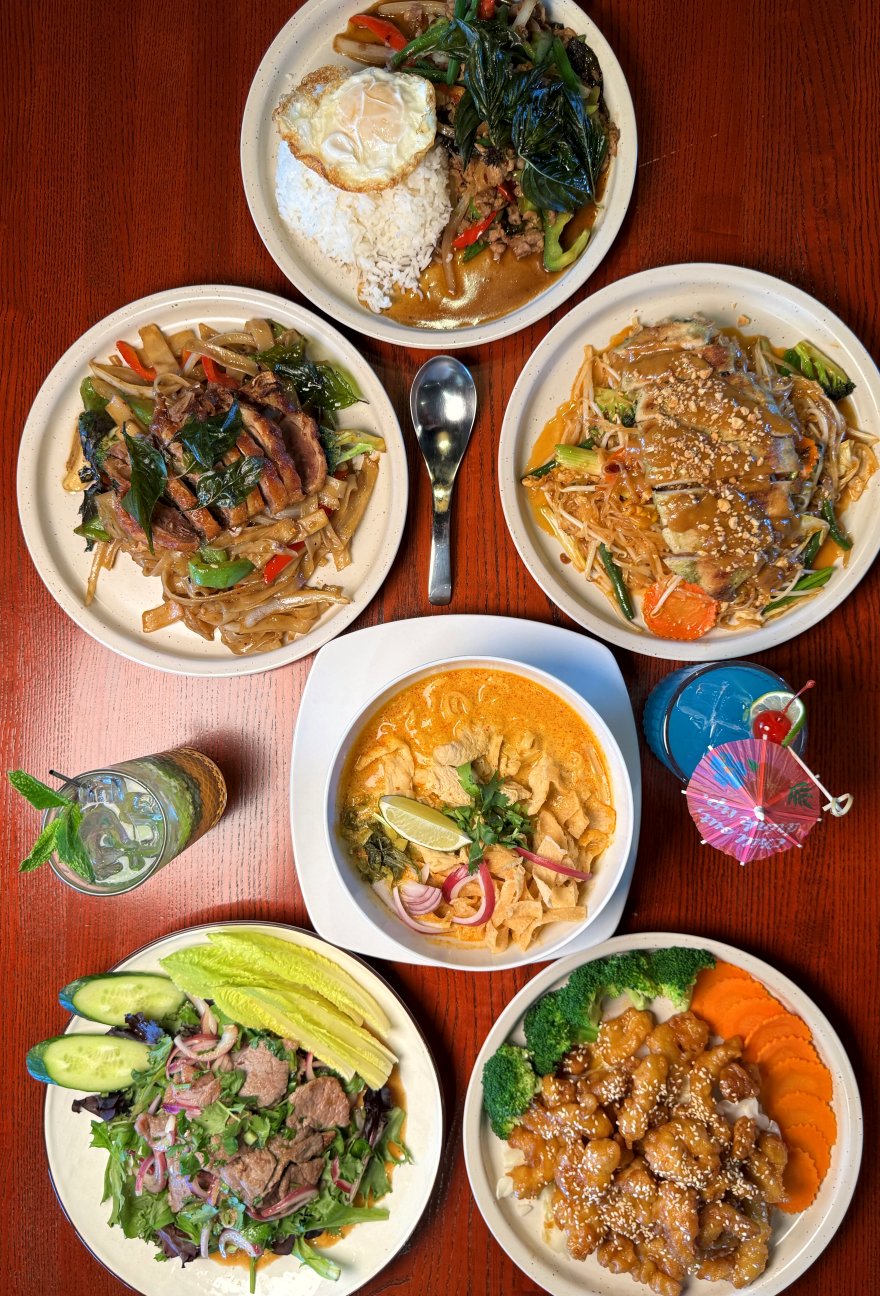
Few dishes inspire the kind of immediate craving that drunken noodles do. You catch the scent of garlic in hot oil, soy hitting the wok, Thai basil turning glossy in the heat, and suddenly every other dinner option loses its appeal. Search traffic for “Drunken Noodles Near Me” makes perfect sense to anyone who has ever wanted something spicy, savory, a little smoky, and substantial enough to feel like a meal rather than a snack.
Drunken noodle, often called pad kee mao, sits in that sweet spot between comfort food and restaurant craft. It looks casual on the plate, but it is not easy to get right. The best versions arrive with wide rice noodles that stay chewy instead of mushy, vegetables that still have bite, sauce that clings rather than pools, and enough wok heat to leave a faint char on the edges. When a local Thai spot nails it, you remember the place. You recommend it to friends. You find excuses to go back on a weeknight.
For Thai food fans trying to sort through takeout menus, delivery apps, and neighborhood recommendations, the challenge is not just finding a restaurant that serves drunken noodles. It is finding one that serves a version worth ordering again. That takes a little judgment, especially because the dish varies so much from one kitchen to the next.
What makes drunken noodle worth seeking out
At its core, drunken noodle is a stir-fried noodle dish built on balance and speed. Wide rice noodles are tossed over high heat with a dark, salty-sweet sauce, garlic, chilies, vegetables, and often a protein like chicken, beef, shrimp, tofu, or pork. Thai basil is usually the defining aromatic note. It gives the dish its signature peppery, almost licorice-like finish.
People often confuse drunken noodle with pad see ew because both use broad rice noodles and soy-forward sauces. The difference shows up quickly once you taste them side by side. Pad see ew tends to be milder, sweeter, and softer around the edges. Drunken noodle pushes harder. It is more aggressive with spice, basil, garlic, and wok flavor. A good plate should feel lively, not flat.
That intensity is exactly why restaurant quality matters. This is not a forgiving dish. If the wok heat is too low, the noodles steam and clump. If the cook leans too heavily on sauce, the whole plate tastes muddy. If the basil goes in too early, it loses its fragrance. Even the order of ingredients matters. You can tell when the kitchen understands the dish and when it is simply following a laminated recipe card.
Why your local Thai restaurant can be better than a trendy hotspot
There is a temptation to assume the best Thai food comes from the busiest place with polished branding and long delivery queues. Sometimes that is true. Often, it is not. Some of the best drunken noodles come from unassuming neighborhood restaurants that have been serving the same lunch crowd for years.
Local Thai kitchens that handle high stir-fry volume usually have an advantage. They know how to work their burners, how to keep noodles from sticking during a rush, and how to adjust spice levels without ruining the balance. You want a place where the wok is not just a tool but a language the cooks speak fluently.
I have had excellent drunken noodle in small strip-mall restaurants where the dining room was plain, the tea glasses were thick and slightly scratched, and the cashier knew half the customers by name. Those places often treat the dish like a house standard, not an afterthought. On the other hand, I have had expensive versions in fashionable dining rooms that looked beautiful and tasted strangely polite, too sweet, too glossy, and almost entirely lacking heat from the pan.
That is one of the trade-offs worth remembering. Atmosphere can elevate a meal, but for drunken noodle, execution matters more than interior design.
How to tell if a restaurant’s drunken noodle is likely to be good
If you are trying a place for the first time, the clues often show up before you order. The menu description matters. So does the protein selection, the customization approach, and whether the restaurant seems confident about spice. A kitchen that offers Thai basil as a central ingredient rather than a generic garnish usually understands what the dish should taste like.
Photos can help, though they are imperfect. Look for broad noodles with visible sear, basil distributed through the dish, and vegetables that look freshly cooked rather than limp. A very pale plate can signal weak sauce. An excessively dark plate can mean the opposite, too much seasoning and not enough freshness.
Online reviews are useful if you read them carefully. One angry customer calling a medium spice “too hot” is not a red flag. Ten separate people mentioning bland noodles probably is. I also pay attention when reviewers talk about texture. Comments like “not greasy,” “good char,” “fresh basil,” or “noodle texture held up on delivery” tell you more than generic praise ever will.
Signs your order will probably hit the mark
A strong drunken noodle usually has a few obvious traits:
- The noodles look broad, glossy, and separated rather than clumped into a single mass.
- Thai basil is visible and clearly part of the dish, not sprinkled on top as decoration.
- The vegetables retain shape and color, especially bell peppers, onions, or baby corn if the kitchen uses them.
- The spice options sound deliberate, with notes like mild, medium, hot, or Thai hot, instead of a vague “spicy available.”
- Reviews mention smoky flavor, wok char, or balanced sauce rather than only portion size.
These signs do not guarantee greatness, but they improve your odds.
The ingredients that separate average from memorable
A lot of local places use the same broad framework, yet the results vary dramatically because each component matters. Rice noodles, for instance, need careful handling. Fresh noodles offer great chew and absorb sauce beautifully, but they can break if overworked. Dried noodles are easier to stock consistently, though they can turn brittle or gummy depending on preparation. In a restaurant that does not move enough volume, texture suffers fast.
Sauce is another dividing line. Good drunken noodle should carry salt, sweetness, umami, and heat without collapsing into one-note soy flavor. Some kitchens lean on dark soy for color and body. Others pull brightness from fish sauce or depth from oyster sauce. Vegetarian versions often require even more thought. Without fish sauce or oyster sauce, the cook has to build savoriness in other ways. A good tofu drunken noodle can be excellent, but weak vegetarian substitutions make the dish taste hollow.
Then there is the basil. This is where many mediocre versions fall short. Thai basil is not a minor detail. It is central. If a restaurant substitutes Italian basil in a pinch, you can tell immediately. The result is softer, sweeter, and less distinct. Not awful, just wrong in a way that flattens the dish’s identity.
Heat level also shapes the experience. Many Thai restaurants adjust spice for local preferences, which makes sense from a business standpoint. But drunken noodle without enough chili can taste oddly incomplete. The goal is not pain. It is lift. A moderate heat level often reveals the dish best, especially if you want to notice the basil and wok character instead of just sweating through your meal.
Eating in versus takeout, a real quality divide
Some dishes survive a car ride better than others. Drunken noodle sits in the middle. It can travel decently if packed well and cooked properly, but it loses something with time. The wok aroma fades first. Steam trapped in the container softens the noodles and vegetables. By the time you eat it 20 or 30 minutes later, the edges have often relaxed.
That does not mean takeout is a bad idea. It just means expectations should change. For delivery, I usually look for restaurants whose noodles hold structure and whose sauce is not overly heavy. A slightly drier stir-fry often arrives in better shape than one swimming in seasoning. If the container has a vented lid or is packed with enough space for the noodles to breathe, that helps best pad kee mao in town more than most people realize.
Dining in gives you the dish at its best. The noodles stay springy, the basil remains fragrant, and that hot-from-the-wok smokiness has not had time to disappear. If you are evaluating a new local Thai restaurant and want to know whether their drunken noodle is truly excellent, eat it in the restaurant at least once before relying on delivery impressions.
Choosing the right protein without ruining the balance
There is no single correct protein for drunken noodle, but some choices work better depending on the kitchen. Chicken is the most reliable. It absorbs sauce well and tends to play nicely with basil and chilies. Beef can be excellent if sliced thin and seared quickly, but overcooked beef becomes chewy and drags the dish down. Shrimp adds sweetness and cooks fast, though some restaurants overdo it and the noodles become secondary.
Tofu is often the sleeper pick. In a kitchen that presses and crisps it properly, tofu gives the dish a satisfying contrast and soaks up the sauce beautifully. In a kitchen that treats tofu like a checkbox, you get pale cubes that release water and dilute the whole plate.
Pork, when offered, can be fantastic, especially with enough chili and basil to cut through its richness. Duck can work too, though it is more common in upscale or fusion-leaning Thai restaurants. The risk with richer meats is grease. Drunken noodle should feel hearty, not heavy.
If you are ordering from an unfamiliar place, chicken or tofu gives you the cleanest read on the kitchen. Those versions expose flaws quickly. There is nowhere to hide bland sauce or poor wok technique.
Regional style, house style, and why “authentic” is not always a simple label
Thai food in local American restaurants is shaped by ingredients, customer expectations, staffing, and cost. That means two restaurants can both make delicious drunken noodle while serving noticeably different versions. One might use more vegetables, another might go harder on garlic, another might build more sweetness into the sauce. Some serve a wetter style. Others keep it almost dry from the wok.
People love to argue over authenticity, but in practice the better question is whether the restaurant’s style feels coherent and skillful. Does the heat support the basil? Does the sauce complement the noodles? Are the vegetables chosen for texture or just bulk? Drunken Noodles Near Me A dish can be adapted and still be deeply satisfying.
What should raise concern is not variation, but carelessness. If the noodles are broken, the basil is missing, and the flavor reads like generic soy sauce stir-fry, then the kitchen has lost the thread. That is different from a thoughtful local house style.
The menu neighbors that help you judge a Thai restaurant
If a restaurant makes great drunken noodle, there are usually signs elsewhere on the menu. Their pad kra pao may be sharp and fragrant. Their larb may taste bright and balanced. Their green curry may have body without tasting sugary. These dishes require seasoning discipline, the same kind drunken noodle needs.
A restaurant with a focused Thai section tends to perform better than a place trying to cover five Asian cuisines at once. Broad menus are not automatically bad, but they often lead to compromise. When I see a menu that jumps from sushi rolls to pho to pad thai to orange chicken, I lower my expectations for wok nuance. It is hard to specialize in everything.
This is where local knowledge matters. Ask the person at the counter what they eat after service. Ask regulars what they order more than once. Thai food fans are usually generous with opinions, especially when they have found a place that respects the classics.
How spice should work in a great drunken noodle
Spice in drunken noodle should not sit on top of the dish like a dare. It should run through the sauce and aromatics, waking up the sweetness and making the basil more expressive. That is why badly judged heat levels can distort the whole meal. Too mild, and the dish tastes sleepy. Too hot, and everything becomes a blunt instrument.
Restaurants vary wildly in what “medium” means. One neighborhood Thai spot’s medium might be another’s extra hot. If you are new to a restaurant, ordering one step below your usual tolerance is often smart. Once you know how they calibrate chilies, you can adjust confidently on the next visit.
There is also a practical issue with delivery. Heat can intensify as noodles sit in sauce, especially if chopped fresh chilies are mixed throughout. A spice level that feels exciting in the restaurant may feel overwhelming 30 minutes later at home. If you are ordering takeout late in the day, after the dish has had time to steam in its container, moderation pays off.
Best times to order and why the rush matters
Thai stir-fry tends to be best when the kitchen is moving but not overwhelmed. During a dead period, ingredients may have been sitting longer, and the cook line can lack rhythm. During a peak dinner crush, speed sometimes beats precision. The sweet spot is usually early dinner or a solid lunch rush in a place that turns tables steadily.
Lunch specials can be a surprisingly good way to test a restaurant’s drunken noodle. The portion may be smaller, but the pace often sharpens the line cooks. High lunch volume means frequent wok use, fresh prep turnover, and fewer corners cut on reheating. If the lunch version is balanced, the full dinner order usually will be too.
Late-night orders are a mixed bag. Some of the best drunken noodle I have eaten came after 9 p.m., when the kitchen had settled into a groove and the staff knew exactly what they were doing. Some of the worst came near closing, when ingredients were running low and everyone understandably wanted the shift to end. Local reputation matters here more than rules.
What to order alongside it, and what to skip
Drunken noodle is filling. It rarely needs much support beyond maybe a small appetizer or a contrasting side. Crispy spring rolls, papaya salad, or satay can work well, especially if you are sharing. A fresh, acidic starter can brighten the palate before the richer noodles arrive.
I usually avoid pairing drunken noodle with another heavy noodle dish. It sounds indulgent in theory, but the meal turns monotonous fast. If you are splitting with friends, choose one curry or one herb-driven salad to round things out. Contrast matters more than quantity.
A sweet Thai iced tea can be pleasant with a spicy plate, but it also amplifies richness. Sparkling water, plain iced tea, or even a crisp lager often creates a cleaner balance. If you like your meal hot, your drink choice matters more than people think.
A simple strategy for finding your go-to local spot
When you are trying to find the best local answer to “Drunken Noodles Near Me,” keep the process practical:
- Start with restaurants that specialize clearly in Thai food rather than broad pan-Asian menus.
- Read reviews for texture, basil, char, and balance, not just for portion size or speed.
- Try the dish in person first if possible, at lunch or early dinner.
- Order chicken or tofu on the first visit so the kitchen’s technique is easier to judge.
- Return once with a different spice level before deciding whether the place is truly your favorite.
That second visit matters. Plenty of dishes are good once. The best local Thai restaurants are good consistently.
Why this dish keeps earning repeat orders
There are flashier items on Thai menus, and there are more famous ones too. Pad thai gets more mainstream attention. Green curry often photographs better. But drunken noodle has staying power because it satisfies on several levels at once. It is chewy, spicy, aromatic, salty, and filling. It works for a solo lunch, a weeknight takeout dinner, or a group table with shared plates.
It also rewards attention. The more of it you eat, the more clearly you can tell which restaurants understand heat management, noodle texture, and balance. Thai food fans become loyal to places that respect those details. Once you have had a truly strong Drunken Noodle, the bland versions become impossible to ignore.
That is really the heart of the search. Not every nearby Thai place will serve a memorable plate. Some will be fine, some forgettable, a few excellent. The best local eats reveal themselves through consistency, restraint, and confidence with the wok. They do not need gimmicks. They just need broad noodles, fresh basil, real heat, and a cook who knows exactly when the dish is done.
For anyone scanning delivery apps or asking friends for the next weeknight recommendation, that is the standard worth chasing. The right local restaurant will make the search for “Drunken Noodles Near Me” feel less like guesswork and more like a habit. Once you find it, odds are you will stop browsing and start ordering by memory.
Nakhon Luang Thai Kitchen
Address: 805 Village Center Dr, Colorado Springs, CO 80919
Phone number: +17195315175
FAQ About Drunken Noodles Near Me
What makes it drunken noodles?
Drunken noodles, or Pad Kee Mao, get their name from the Thai word khi mao (meaning "drunkard"). They contain no alcohol. The name comes from the idea that the dish is a popular late-night meal to cure a hangover or a great food to eat with a cold beer.
What is the difference between pad see ew and drunken noodles?
While both Pad See Ew and Drunken Noodles use the same wide rice noodles, Pad See Ew is a mild, sweet-savory dish made with dark soy sauce and Chinese broccoli, whereas Drunken Noodles (Pad Kee Mao) are fiery, garlicky, and herbaceous with fresh chilies and Thai basil.
What are traditional drunken noodles?
Traditional drunken noodles, known as Pad Kee Mao in Thai, are a fiery, savory street food stir-fry made with wide flat rice noodles, fresh garlic, lots of hot chilies, meat or tofu, and fragrant holy basil. Despite the name, they contain no alcohol; the dish is traditionally eaten late at night or as a hangover cure because the intense spice helps clear the head.