Budget-Friendly Drunken Noodles That Taste Gourmet
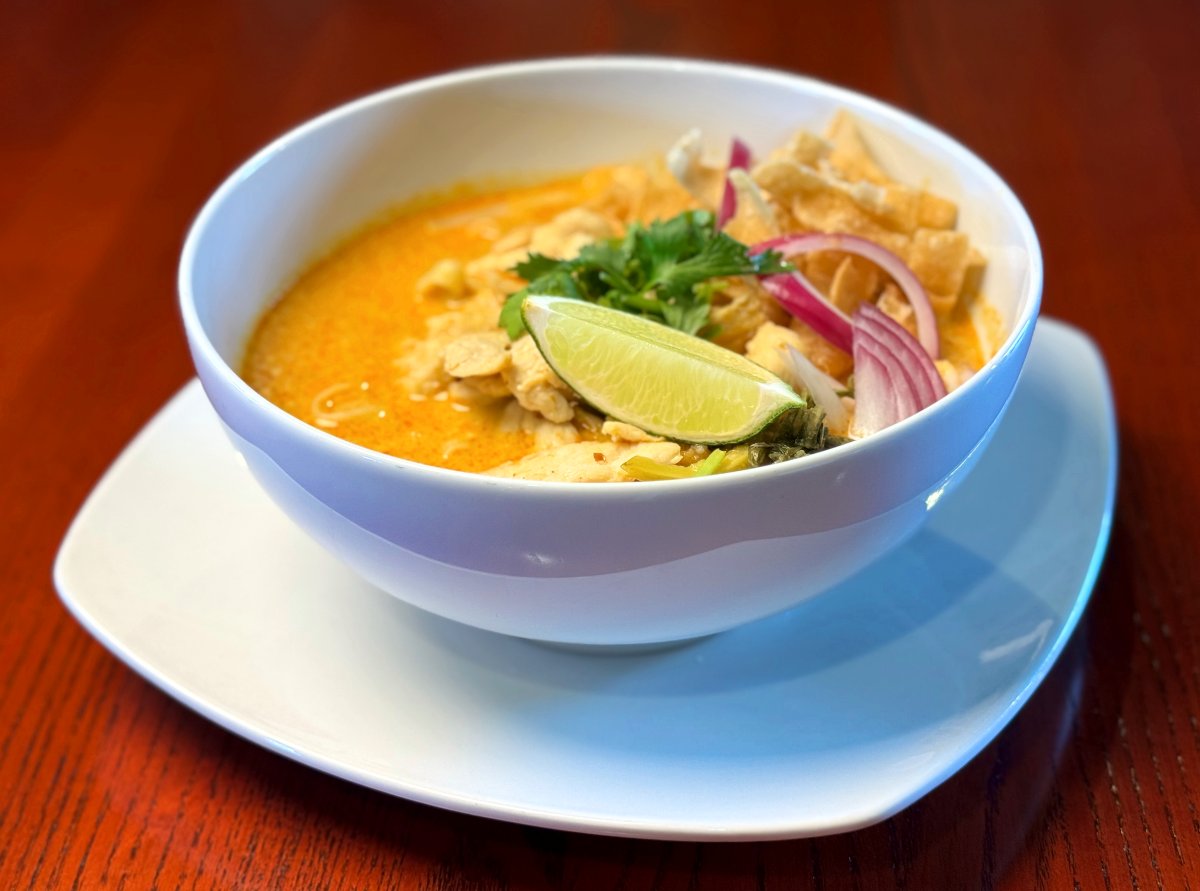
Drunken Noodles have a reputation for being a restaurant indulgence, the kind of glossy, spicy, basil-laced plate you order when you want something bold and satisfying. They also have a reputation for being difficult to recreate at home, especially if you are trying to keep costs down. That second part is simply not true.
A good plate of Drunken Noodles does not depend on expensive proteins, obscure sauces, or a restaurant burner that roars like a jet engine. What it does require is judgment. You need to know where the flavor actually comes from, which ingredients matter most, and where a cheaper substitution still delivers. Once you understand that, the dish becomes one of the smartest meals you can make on a tight budget.
The first time I tried to make it at home, I made the same mistake many people do. I spent too much on specialty items, then overcooked the noodles and drowned everything in sauce. The result tasted flat and oddly sweet, with none of the smoky edge and savory depth that make restaurant versions so memorable. After enough rounds in my own kitchen, and after watching how experienced cooks build noodle dishes with speed and restraint, the pattern became clear. The most affordable version can also be the best version, because it forces you to focus on the essentials.
What makes Drunken Noodles taste expensive
Despite the name, Drunken Noodles do not need luxury ingredients to feel special. The dish gets its appeal from contrast. Wide noodles catch a dark, glossy sauce. Chili brings heat. Basil lifts the whole pan with perfume. A little sugar rounds bitterness. A little acid sharpens the finish. Good browning adds a savory note that people often mistake for some secret ingredient.
That is why this dish can taste gourmet even when the total cost per serving stays modest. You are building layers from pantry staples and a few fresh ingredients rather than relying on a premium cut of meat or a complicated broth. In practical terms, the flavor drivers are soy sauce, oyster sauce or a substitute with similar depth, garlic, chilies, basil, and proper heat management.
The texture matters just as much as the seasoning. Restaurant Drunken Noodles have chew, char, and variation. Some edges are slick with sauce, some bits are caramelized, and the vegetables still have life. Budget cooking often goes wrong when every ingredient is treated the same way and cooked until it all becomes soft and uniform. That is not thrift, that is waste. A humble onion, a bell pepper, and a handful of greens can feel far more elegant when they retain shape and freshness.
Spend where it counts, save where it does not
The biggest money-saving move is understanding which purchases give you the highest return. Wide rice noodles are worth buying if you can find them at a fair price, because their chew and surface area make the dish unmistakable. Beyond that, restraint pays off.
Fresh basil matters, though you do not need the prettiest bunch in the market. Slightly bruised leaves are fine if they still smell vibrant. Garlic and chilies are non-negotiable. Everything else has room to flex. If fresh wide rice noodles are overpriced, dried rice noodles work well with careful cooking. If Thai basil is unavailable or expensive, a mix of regular basil with a small pinch of black pepper can bridge some of the gap. It is not identical, but it is far better than skipping the herbal note entirely.
Protein is where home cooks tend to overspend. Thin slices of chicken thigh are usually better than breast here because they stay juicy, brown nicely, and often cost less. Ground chicken or ground pork can be excellent. Tofu, especially firm tofu pressed and seared properly, takes on sauce beautifully and is often the cheapest option per serving. Eggs can even carry the dish on their own if your refrigerator is looking sparse. A well-made pan of Drunken Noodles with egg, onion, and greens can be deeply satisfying.
Vegetables should follow price and season rather than a rigid recipe. Bell peppers are common, but cabbage, green beans, broccoli stems, snap peas, or even chopped kale can all work. I have made a very convincing batch with onion, carrots shaved into ribbons, and a few handfuls of spinach added at the end. It was not textbook, but it tasted alive and cost very little.
The pantry strategy that keeps the total low
A budget-friendly noodle dish becomes easier when your pantry does some of the heavy lifting. Soy sauce is obvious. Oyster sauce is classic and useful, but if you do not keep it around, hoisin is not the best direct stand-in because it shifts the dish sweeter. A better workaround is to use more soy sauce, a small pinch of sugar, and, if you have it, a dab of fish sauce or mushroom seasoning for depth.
Brown sugar or white sugar both work. White sugar dissolves quickly and gives a cleaner sweetness. Brown sugar adds a little molasses character, which can be pleasant but is not essential. Vinegar is sometimes overlooked in Drunken Noodles, yet a small amount can wake up a tired pan, especially if your basil is less fragrant than ideal.
If you cook this dish more than once a month, a bottle of oyster sauce quickly earns its place. The same goes for fish sauce. These are not expensive when spread across several meals, and they can make low-cost ingredients taste more complete. Still, the key is using them sparingly. More sauce does not equal more flavor. Too much creates a salty, sticky tangle instead of a balanced noodle dish.
Noodles are the heart of it, so treat them carefully
If there is one place where technique matters more than spending, it is the noodles. Whether you use fresh or dried, the goal is elasticity, not softness. Overcooked rice noodles break, clump, and absorb sauce unevenly. That is how a promising dinner turns into paste.
Dried wide rice noodles are usually the most practical budget option. Soak or boil them just until pliable, then stop. They should feel slightly underdone before they hit the pan because they will finish cooking in the sauce. If you have ever had homemade noodle stir-fry that tasted heavy, mushy, or oddly wet, the noodles were almost certainly pushed too far before stir-frying began.
Fresh noodles can be wonderful, but they require a gentle hand. Separate them carefully, often with a little oil or warm water depending on the product. If you tear them up aggressively, you lose the broad ribbons that make Drunken Noodles feel luxurious.
One detail that separates a competent home version from a very good one is how dry the noodles are when they enter the pan. Water is the enemy of browning. If the noodles are dripping, the wok or skillet steams instead of sears. Let them drain well, and do not crowd the pan.
Building the sauce without making it muddy
A great Drunken Noodles sauce should taste savory first, spicy second, aromatic third, with a little sweetness in support. It should not taste like a generic bottled stir-fry glaze. The proportions do not need to be rigid, but the balance does.
I like to think in small increments. Start with soy sauce for salinity and color. Add oyster sauce for body. Use sugar to round the edges, not to make the noodles taste sweet. If you use fish sauce, only a little. Its job is to deepen, not dominate. Fresh chilies matter more than chili paste here because they bring brightness as well as heat.
The easiest way to ruin the sauce is to make too much of it. Home cooks often mix a generous bowl, thinking extra sauce will compensate for less meat or fewer vegetables. What actually happens is the noodles become saturated and heavy, and the pan never gets hot enough to develop flavor. Use enough to coat, not enough to pool.
There is also an important budget point here. Strong sauces can hide cheap ingredients, but they can also flatten them. If you want inexpensive cabbage and onions to taste good, they need seasoning and heat, not a flood. Their natural sweetness should still come through.
The heat problem, and how to solve it at home
Most home stoves do not produce restaurant wok hei, that smoky breath-of-the-wok flavor people chase in stir-fries. That does not mean you cannot make excellent Drunken Noodles. It means you should adapt your method to your equipment.
Use the widest, heaviest pan you have, and preheat it properly. A large skillet often works better than a small wok on a weak burner because it gives ingredients room to evaporate moisture rather than pile up. Cook in batches if necessary. This is where patience saves the dish.
Here is the sequence that consistently works well:
- Brown the protein first, then remove it before it overcooks.
- Cook the aromatics and sturdy vegetables in the hot fat until they pick up color.
- Add the noodles and sauce quickly, tossing just until coated and lightly caramelized.
- Return the protein, then finish with basil and any delicate greens.
- Taste immediately and adjust with a splash of soy sauce or a pinch of sugar if needed.
That short sequence matters because every ingredient gets a chance to be itself. The chicken stays juicy. The vegetables retain texture. The noodles absorb flavor without turning slack. The basil perfumes the pan instead of blackening into bitterness.
Cheap proteins that actually improve the dish
The goal with protein is not to imitate a steakhouse. It is to add savoriness, texture, and enough substance to make the noodles a full meal. Budget proteins often do this better than expensive ones because they cook fast and mingle naturally with the sauce.
Chicken thighs are my first choice for value. They are forgiving, especially in high heat cooking. Slice them thinly, season lightly, and let them brown before stirring. Ground pork is another excellent option. It creates little crisp edges that cling to the noodles, almost like built-in seasoning. Ground chicken works in the same way, though it is leaner and benefits from a touch more oil.
Tofu deserves more respect in this dish than it usually gets. If you press it, tear it into irregular pieces instead of cutting perfect cubes, and sear it until golden, it holds onto sauce and creates pleasing texture. Torn tofu looks more natural in the pan and develops more craggy edges. That sounds like a small detail, but those edges are exactly where flavor lives.
Egg is the underappreciated budget choice. A couple of eggs scrambled into the pan can stretch a meal dramatically. If you are using egg as the main protein, go harder on the vegetables and basil so the dish still feels substantial and layered.
Making inexpensive vegetables taste intentional
One hallmark of gourmet-tasting budget food is that the vegetables seem chosen, not merely used up. That does not mean they have to be rare or costly. It means they should cook in a way that suits the dish.
Onions are almost always a good idea because they sweeten and char. Bell peppers add color and softness, but if they are expensive, cabbage is more economical and often better in a hot stir-fry because it keeps some bite. Broccoli stems, sliced thin, are a thrifty cook's secret. They stay crisp, absorb sauce well, and cost nothing extra if you were going to toss them.
Leafy greens should go in at the very end. Spinach wilts in seconds. Kale needs a touch longer, especially if it is mature and fibrous. Basil should hit the pan just before serving so its fragrance rises instead of fading.
There is also a practical point about cutting. If your vegetables are uneven, the pan will punish you. Tiny pieces burn while thick chunks stay raw. Keep slices relatively thin and consistent so the cooking window stays narrow and controllable.
The small tricks that create restaurant character
A surprisingly gourmet result often comes from details that cost almost nothing. A little char on the noodles where they sit undisturbed for a few moments in the pan. Garlic added at the right stage so it softens and perfumes rather than scorches. Basil torn by hand rather than chopped into dark strips. A final squeeze of lime, used selectively, not automatically.
Another useful trick is to reserve some of the sauce rather than dumping all of it in at once. Add most of it, toss, then taste. Sometimes that is enough. If not, add the remainder in small splashes. This keeps the dish from slipping into that over-sauced takeout texture many people associate with homemade stir-fries.
I also recommend letting the protein develop real color before moving it. Stirring constantly feels active, but it often prevents browning. A quiet minute in a hot pan can be the difference between food that tastes cooked and food that tastes developed.
If you like heat, use fresh chilies in layers. Add some early so they infuse the oil, then scatter more at the end for a brighter sting. Chili flakes can work, but they bring a flatter heat. Fresh chilies make the dish feel more alive.
Common mistakes that make budget versions taste cheap
There are a handful of errors that show up again and again in home kitchens. Avoiding spicy drunken noodles them is more important than finding a perfect recipe.
- Using too much sauce, which makes the noodles soggy and one-note.
- Overcooking the noodles before they reach the pan.
- Crowding the pan, which causes steaming instead of searing.
- Skimping on basil and aromatics while overspending on protein.
- Cooking everything together from the start, which destroys texture.
These problems are fixable. In fact, they are usually easier to fix than a weak ingredient budget. Technique is the cheapest upgrade available.
How to stretch the dish without making it feel stretched
There is an art to making a meal go further while preserving its character. With Drunken Noodles, the smartest approach is to increase vegetables and aromatics rather than to dilute the sauce or cut the noodles too aggressively.
Cabbage is especially helpful here because it cooks down, carries flavor, and contributes a sweet, almost silky note when seared properly. Onion does the same. A few mushrooms can add savoriness that compensates for a smaller amount of meat. Even bean sprouts, if you like them, add bulk and freshness at low cost, though they should go in very late to keep their crunch.
What you want to avoid is turning the dish into a generic vegetable stir-fry with a few noodles lost inside. The noodles still need to lead. As a rough sense of balance, there should be enough noodles to catch sauce in every bite, enough vegetables to create contrast, and enough protein to register without taking over.
If you are feeding several people, serving the noodles with a simple cucumber salad or a fried egg on the side can make the meal feel fuller without pushing the pan past its limits. That kind of support is often more effective than trying to cram extra portions into one overcrowded skillet.
A realistic low-cost version that still tastes polished
A practical home batch might use eight to ten ounces of dried wide rice noodles, one pound of chicken thighs or a block of tofu, one onion, a handful of peppers or cabbage, four to six cloves of garlic, two or three chilies, basil, soy sauce, oyster sauce, sugar, and optional fish sauce. Depending on where you shop, that can land at a very reasonable cost for four portions, sometimes significantly less than two restaurant servings.
The finished plate should look glossy, not wet. You should smell basil and garlic before you take a bite. The noodles should have chew. Some edges should be darker than others. The heat should arrive quickly but not erase everything else. If it tastes balanced and a little unruly in the best way, you got it right.
That is the real appeal of budget-friendly Drunken Noodles. They do not ask for much, but they reward attention. They prove that gourmet is often less about luxury than about clarity. When each ingredient has a purpose, when the pan is hot, and when the cook knows when to stop, a humble bowl of noodles can taste like it came from a very good kitchen.
Why this dish earns a permanent place in a frugal kitchen
Some inexpensive meals are useful but uninspiring. Others are delicious but fussy enough that you only make them once. Drunken Noodles sit in the sweet spot between those extremes. They are fast enough for a weeknight, flexible enough for a half-stocked refrigerator, and vivid enough that nobody feels like they are eating a compromise.
That matters more than people admit. Budget cooking fails when it becomes joyless. If dinner feels like a string of substitutions and apologies, even cheap ingredients start to seem expensive because the meal does not satisfy. A pan of well-made Drunken Noodles solves that problem. It tastes abundant. It smells like effort. It turns a few strategic ingredients into something memorable.
And that is really the point. You are not trying to make a cheaper version of a restaurant dish that feels lesser. You are making a smart, confident home version that understands what the dish needs and what it can do without. Once you learn that distinction, you can cook beautifully on almost any budget.