Best Drunken Noodles Near Me With Wok-Seared Perfection
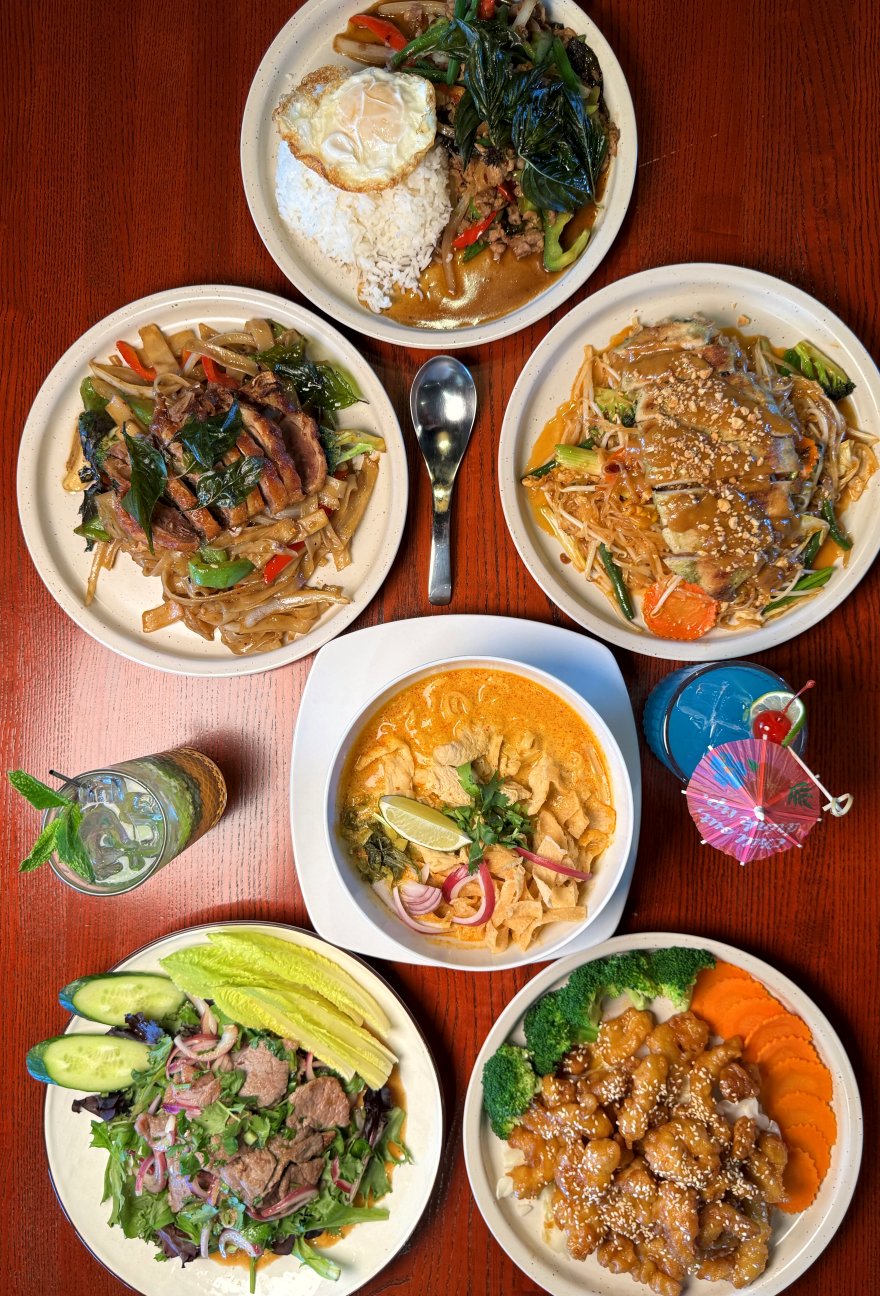
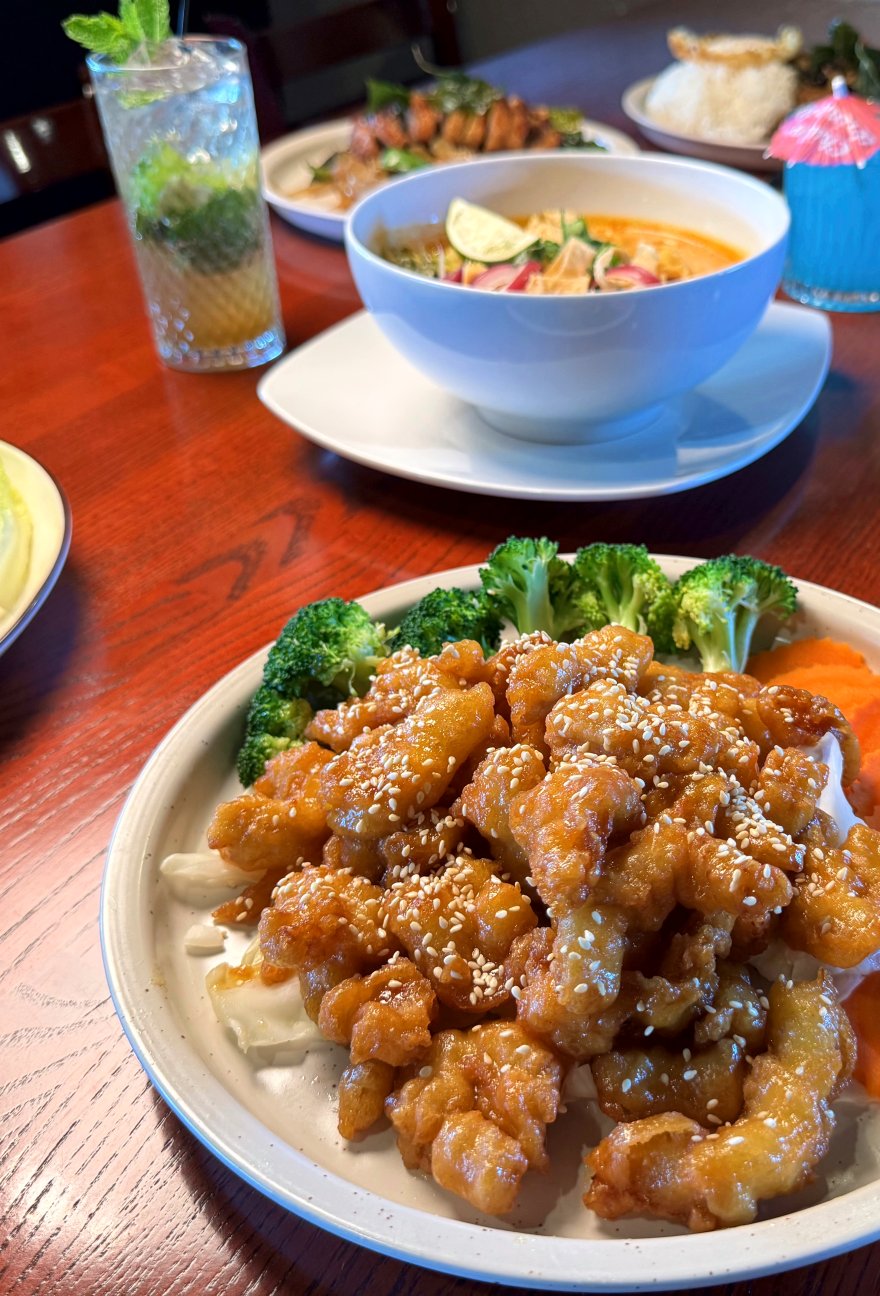
Anyone who has ever chased a truly great plate of drunken noodles knows the search is rarely about distance alone. You can type "Drunken Noodles Near Me" into your phone and get a dozen results in seconds, yet only one or two places will deliver the thing you are actually craving: broad noodles with real chew, basil that still smells alive, a sauce that clings instead of pooling, and that unmistakable wok-seared edge that turns a good dish into a memorable one.
Drunken noodle, or pad kee mao, has a way of exposing the strengths and weaknesses of a kitchen almost immediately. It is not a forgiving dish. Too much heat and the noodles fracture or turn pasty. Too little heat and the whole plate tastes flat, steamed, and timid. The sauce has to hit the sweet spot between salty, savory, lightly sweet, and sharply spicy. The vegetables need to keep some structure. The protein has to stay juicy. Most of all, the wok has to do its work fast enough to produce depth without drowning everything in oil.
That is why this dish has become one of the clearest markers of a restaurant's skill. If you are trying to find the best drunken noodles nearby, it helps to know exactly what separates wok-seared perfection from a forgettable takeout box.
What makes drunken noodle worth seeking out
Drunken noodle sits in that rare category of restaurant food that feels both comforting and demanding. It is easy to crave, hard to perfect, and incredibly revealing when it lands on the table. A strong version gives you several sensations at once. The noodles feel silky at first, then slightly resistant at the bite. The sauce opens with umami and soy depth, then comes garlic, chili, and the perfume of Thai basil. Fresh vegetables bring brightness, usually with onion, bell pepper, tomato, baby corn, or Chinese broccoli depending on the kitchen. Then, at the finish, the wok char appears in little flashes.
That char matters more than people often realize. It is not the taste of burnt food. It is the concentrated flavor that comes from intense heat, rapid contact, and just enough caramelization to add a smoky, savory backbone. At home, most stovetops struggle to produce it consistently. In a busy restaurant with an experienced cook and a seasoned wok, it becomes the signature of the dish.
When people talk about a great drunken noodle, they are usually talking about balance. The strongest plates are spicy enough to wake up the palate but not so hot that the basil disappears. The sauce should coat every noodle without turning the dish soupy. A proper plate looks glossy and loose, not sticky and clumped. You should be able to lift a tangle of noodles and see each component still distinct.
The first clue is the aroma, not the menu description
A menu can tell you whether a restaurant offers drunken noodle. It cannot tell you whether the kitchen understands it. The first real clue comes when the plate arrives. Before the first bite, you should smell basil, garlic, and high-heat cooking. If all you get is sweet soy and generic stir-fry steam, expectations should drop immediately.
One of the most reliable signs of quality is how the noodles look under the sauce. Fresh rice noodles often show slight browning around the edges and a little variation in color, which suggests they met real heat instead of being stirred through sauce in a lukewarm pan. The vegetables should look vivid, not faded. Protein should feel integrated into the dish, not placed on top as an afterthought.
I have had versions in polished dining rooms and in tiny strip-mall spots with six tables and a soda fridge by the register. The setting rarely predicts the result. What matters is whether the cook treats the wok like a live instrument. You can taste the difference between someone moving with confidence and someone following a line recipe.
Why wok-seared perfection is hard to fake
A lot of restaurants can make a decent noodle stir-fry. Far fewer can make one that tastes as if every element hit the pan at precisely the right second. Wok-seared perfection depends on timing, heat management, and restraint. Those are skills, not decorations.
The biggest technical hurdle is moisture. Rice noodles carry water. Vegetables release more of it. Sauces add yet another layer. If the wok is not hot enough, that moisture turns the dish into a steam bath. The noodles soften too much, the aromatics mellow out, and the final bite lacks contrast. The whole thing can still be edible, but it will not have the muscular flavor that makes drunken noodle so satisfying.
The second hurdle is crowding. This dish should move fast. In a strong kitchen, ingredients hit the wok in a sequence that lets each one contribute something before the next arrives. Basil goes in late so it perfumes rather than wilts into anonymity. Sauce is added with enough control to glaze, not drown. Fresh chili can sharpen the finish, but only if it does not dominate.
Then there is seasoning. A surprising number of disappointing plates fail because the cook leans too heavily on sugar or generic chili paste. Drunken noodle should taste bold, but its boldness comes from layers. Soy depth, fish sauce salinity, garlic bite, basil lift, and heat all need room to register. A one-note sweet-spicy sauce misses the point.
How to judge a restaurant before you order
If you are scanning results for "Drunken Noodles Near Me," the trick is not simply to choose the highest rating. General restaurant ratings often reflect service, parking, portion size, or crowd appeal. Those things matter, but they do not tell you whether the drunken noodle is exceptional.
Read the dish-specific comments, especially from people who clearly order Thai food often. Look for phrases that suggest texture and heat control. If several reviews mention smoky flavor, chewy wide noodles, generous basil, or balanced spice, that is a useful sign. If reviews keep talking about huge portions but say little about flavor, proceed carefully.
Photos help, though they can mislead. A glossy plate with visible basil leaves, intact vegetables, and noodles that do not look glued together is promising. A box of dark brown noodles with little color variation usually points to an over-sauced version. If every photo looks almost identical regardless of protein choice, the kitchen may be working from a base batch rather than cooking each order with attention.
Menu language can also reveal something. Restaurants that let you choose protein, spice level, and occasionally noodle style often have a system built for stir-fry execution. That said, too many customization options can be a warning. When every Thai dish is endlessly interchangeable, precision sometimes suffers.
Signs you have found a great local spot
The best local places often share a few traits, even when they differ in style. They move quickly at peak hours without letting the food feel rushed. The kitchen is comfortable with high heat. The dish tastes cooked to order. And the restaurant has enough confidence not to flatten every plate into the same sweet profile.
Here are the signs I trust most when I am hunting for a standout drunken noodle:
- The noodles have char in spots but still stay soft and springy.
- Thai basil is clearly present in the aroma and the finish.
- The spice level tastes intentional, not just hotter for the sake of heat.
- Vegetables keep some bite and color.
- The sauce clings lightly instead of collecting at the bottom of the container.
Those details sound small, but together they tell you a lot. A restaurant that gets all five right usually understands the dish at a deeper level.
The role of spice, and why hotter is not always better
Drunken noodle has a reputation for heat, which leads many diners to order it at the top of the spice scale. Sometimes that pays off. Often it buries the flavor. Heat should sharpen the dish, not erase everything behind it.
A well-calibrated medium or medium-hot often gives the best read on a kitchen's seasoning. You can still feel the chili, but you can also detect the basil, garlic, and savoriness in the sauce. When spice overwhelms everything else, it becomes hard to know whether the underlying dish was actually good. Some restaurants compensate for blandness by turning up the chili level. Others genuinely know how to build heat into a balanced plate.
There is also the question of regional and house style. One kitchen may make drunken noodle slightly sweeter, another more savory and peppery. Neither is automatically wrong. The problem comes when the sauce tastes generic, as if it could have been poured over any stir-fry on the menu. The best versions feel specific. Even after a few bites, you should still want another because the flavor keeps unfolding.
Protein changes the dish more than people admit
Chicken is probably the most common option, and when cooked well it works beautifully. It absorbs sauce, cooks quickly, and lets the noodles remain the star. Beef brings deeper savoriness but can dominate if sliced too thick. Shrimp adds sweetness and a firmer bite, though it can overcook fast in a busy kitchen. Tofu is often underestimated. In the right hands, it soaks up flavor and provides contrast without weighing the dish down.
Seafood combinations tend to be the riskiest because they introduce more moisture. If a kitchen already struggles with wok heat, mixed seafood can push the noodles toward sogginess. Pork can be excellent if the cut has enough fat to stay tender, though not every restaurant handles it well.
In practice, your best move is to order the protein that the restaurant seems to favor. If the menu highlights crispy tofu, house-marinated chicken, or a chef-preferred beef version, that often means the kitchen has dialed it in. If the dish reads like a blank template with ten interchangeable add-ons, quality may vary more widely.
Takeout versus dining in
This is one of the most important trade-offs in the whole "Drunken Noodles Near Me" search, because the best plate in the restaurant may not be the best plate by the time it reaches your couch.
Drunken noodle is at its peak within minutes of leaving the wok. The noodles are loose, the char is still vivid, and the basil remains fragrant. In a closed takeout container, steam builds fast. That can soften the noodles and blur the crisp edges that made the dish exciting in the first place. Delivery extends that problem, especially on cold or rainy nights when the driver stacks multiple orders.
That does not mean takeout is doomed. Some restaurants pack it better than others. A slightly vented container, careful portioning, and a shorter drive can preserve a surprising amount of quality. If you know a place uses fresh wide rice noodles and cooks with serious heat, even a takeout version may outperform a mediocre dine-in plate elsewhere.
If you care most about wok-seared perfection, eat it in the restaurant whenever possible. If convenience matters more, choose a place within fifteen to twenty minutes and consider ordering the spice one level lower. By the time you eat, the heat often feels more pronounced as the noodles continue to absorb sauce.
Why fresh noodles matter
Not every restaurant has access to the same ingredients, and that affects the final dish. Fresh wide rice noodles are one of the strongest advantages a serious Thai kitchen can have. They bring elasticity and a soft chew that dried noodles rarely match. When exposed to high heat, they blister slightly and pick up sauce without turning grainy.
That said, fresh noodles require skill. They can stick, tear, or clump if mishandled. A good cook separates them gently, works fast, and knows how much sauce they can tolerate. Dried noodles, by contrast, offer more consistency but often less character. They can still produce a satisfying dish, especially in kitchens that compensate with stronger seasoning and better wok technique, though the texture is usually less luxurious.
If a restaurant's drunken noodle consistently feels gummy or mushy, the problem may be poor noodle handling rather than the recipe itself. It is one of https://blogfreely.net/chelenruav/how-to-order-the-perfect-drunken-noodle-near-me-every-time the easiest flaws to detect and one of the hardest to hide.
Regional differences and local adaptations
Not every plate of drunken noodle should taste exactly the same, and that is part of the dish's appeal. Some versions lean into fresh chili and holy basil notes. Others use more broad sweetness or a darker soy profile. In many American restaurants, bell peppers and onions play a larger role than they might in a more tightly traditional interpretation. That can still be delicious if the wok work is strong.
Local adaptation becomes a problem only when it dilutes the dish into a generic noodle stir-fry. If the basil is minimal, the heat is muddy, and the noodles are smothered in a syrupy sauce, the restaurant may be using the name without delivering the character. A proper drunken noodle, even in a localized form, should still taste vivid, hot, and alive.
I have had excellent versions that were a little sweeter than expected, and excellent versions that were fiercely savory. What they shared was clarity. Each one had a point of view. None felt accidental.
How to order for the best result
Small choices can improve your odds considerably, especially with a new restaurant. If you are ordering from an unfamiliar place, there are a few practical adjustments that tend to help.
- Ask for your preferred spice level, but stay one step below your maximum if you want to taste balance.
- Choose a protein that cooks quickly, such as chicken, tofu, or shrimp, unless the restaurant is known for beef.
- Eat it as soon as possible, especially if you are picking up takeout.
- If available, request extra basil or fresh chili on the side rather than extra sauce.
- Avoid adding too many modifications on your first order.
That last point matters. Complex stir-fried noodle dishes depend on rhythm. Every substitution changes timing. Extra vegetables, sauce on the side, no onion, double protein, or low oil can all push the dish away from the texture the cook is aiming for. It is usually smarter to taste the restaurant's baseline version first, then adjust on later visits.
Price, portions, and what value really means
Drunken noodle often sits in the middle of the menu, not cheap enough to ignore and not expensive enough to feel like a splurge. In many areas, the price varies widely depending on rent, ingredient access, and whether the restaurant operates as a casual takeout spot or a full-service dining room. A higher price does not guarantee better noodles. Sometimes it simply reflects the zip code.
Real value comes from execution. I would rather pay a few dollars more for a plate with excellent wok char, fresh basil, and properly cooked noodles than save money on a larger portion that turns gummy halfway through the meal. Drunken noodle is not really about abundance. It is about precision.
Portion size can also distort impressions online. Diners often reward oversized containers, especially in takeout-heavy neighborhoods. That does not tell you how well the dish was cooked. In fact, oversized portions can work against quality if they encourage overcrowding in the wok or sit too long before pickup.
Common disappointments, and what they usually mean
Once you have ordered enough versions, patterns emerge. Pale noodles with lots of moisture usually mean weak wok heat. Extremely dark noodles often indicate too much sauce or a heavy hand with soy. Limp vegetables suggest either a delayed pickup window or a kitchen that batches components too early. A dish that tastes spicy but oddly shallow may rely on chili paste without enough fresh aromatics.
One of the more frustrating failures is when the first three bites are excellent and the rest collapse into sweetness and oil. That often means the sauce was not reduced or integrated properly. The top layer catches your attention, but the bottom of the plate reveals the imbalance. Another common issue is underuse of basil. Without enough of it, drunken noodle loses the lift that keeps it from feeling heavy.
None of these problems are trivial. Because the dish is so direct, there is nowhere for mistakes to hide.
The best search is part instinct, part pattern recognition
Finding the best drunken noodle nearby becomes easier once you stop looking for marketing cues and start looking for signs of kitchen discipline. Search results and star ratings can point you in the right direction, but they do not replace pattern recognition. You learn to notice the restaurants whose photos show glossy noodles rather than greasy ones. You learn to trust review language that mentions basil, char, texture, and balance. You learn which places still taste alive after a fifteen-minute drive and which ones fade before you find a fork.
And sometimes you learn through repeat visits. A restaurant may make excellent curries but only average noodle dishes. Another may serve a solid dining room menu yet secretly excel at one humble stir-fry that the regulars always order. That is why the search for "Drunken Noodles Near Me" can be so satisfying. It is not just about proximity. It is about discovering which local kitchen has enough control, enough heat, and enough respect for the dish to make it memorable every time.
The best drunken noodle does not need gimmicks. It does not need a towering garnish or a dramatic menu description. It needs a hot wok, good noodles, fresh basil, a steady hand with seasoning, and the confidence to let those elements speak clearly. When you find that combination close to home, the craving stops being random. It becomes a habit. And once you know what wok-seared perfection tastes like, ordinary versions become much easier to leave behind.
Nakhon Luang Thai Kitchen
Address: 805 Village Center Dr, Colorado Springs, CO 80919
Phone number: +17195315175
FAQ About Drunken Noodles Near Me
What makes it drunken noodles?
Drunken noodles, or Pad Kee Mao, get their name from the Thai word khi mao (meaning "drunkard"). They contain no alcohol. The name comes from the idea that the dish is a popular late-night meal to cure a hangover or a great food to eat with a cold beer.
What is the difference between pad see ew and drunken noodles?
While both Pad See Ew and Drunken Noodles use the same wide rice noodles, Pad See Ew is a mild, sweet-savory dish made with dark soy sauce and Chinese broccoli, whereas Drunken Noodles (Pad Kee Mao) are fiery, garlicky, and herbaceous with fresh chilies and Thai basil.
What are traditional drunken noodles?
Traditional drunken noodles, known as Pad Kee Mao in Thai, are a fiery, savory street food stir-fry made with wide flat rice noodles, fresh garlic, lots of hot chilies, meat or tofu, and fragrant holy basil. Despite the name, they contain no alcohol; the dish is traditionally eaten late at night or as a hangover cure because the intense spice helps clear the head.